
Harper College will be closed on Monday, September 7, in observance of Labor Day.

On our 5th day, and after our first night at the ITEC field station, we began the day with an essential lecture that served as a great segway into the theme of the day on the environmental issues in Bocas del Toro; specifically waste distribution. The lecture was a key piece in making this day impactful because it was a perfect steppingstone from learning about environmental issues to actually seeing and working with the impact in person.
The lecture focused on the physical impact of waste on the environment in Bocas del
Toro. The purpose behind referring to this lecture as a foundation of the day’s theme
is because as students, we were already familiar with learning material in this manner.
So while the information was heartfelt, it could only have so much impact to the class
since it still lacked the in-person aspect.
After the lecture in the morning, we traveled to the Plastic Bottle Village, but before
discussing that in more detail, it is important to mention that simply on the way
to the village, we were able to pull off to the side of the road and view the areas
where waste was being burned, and how destructive it was to the surrounding land and
ponds. It’s important to make note of this as this built upon the information presented
to us and advanced our understanding of the lecture topics. It was a prime opportunity
to actually witness the environmental impact of waste distribution.
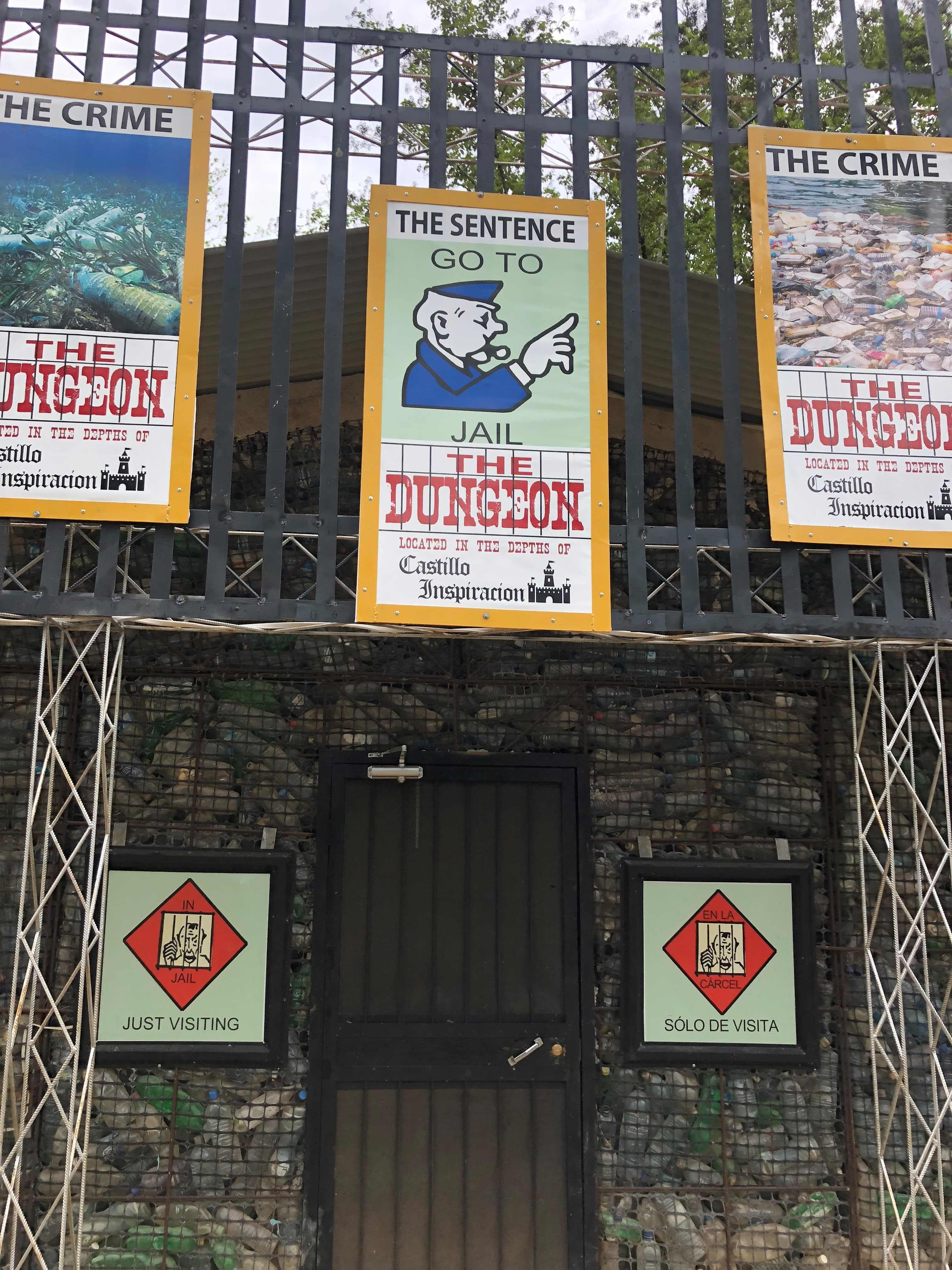
Once we arrived at the Plastic Bottle Village, we were greeted with an extremely unique, colorful atmosphere with buildings made of plastic bottles. We were welcomed with open arms by Robert Bezau who discovered a unique purpose and gleefully shared his passion with us. Mr. Bezau broke down the logistics behind the Plastic Bottle Village in that all of us, as consumers, are guilty of what have done to our planet (specifically plastic waste in our seas), and that the Plastic Bottle Village provides guests with the opportunity to spend several nights in jail and after serving the time, you get to spend a night in the castle; considered as your reward.
On top of the extremely unique concept, Mr. Bezau was more than happy to share why all of this means so much to him. Mr. Bezau has collected over 1 million plastic bottles, and explained that by 2050 there will be more plastic in the sea than fish. Similarly, if the fish are eating plastic, so are we. This especially seemed to be an idea that not much of the class had really pondered, but a lot of the information presented was disheartening to hear, and to realize how poorly humans have been treating the Earth was nothing but a shame. So while building a village out of plastic bottles sounds unconventional and impractical, the passion and dedication is something admirable.
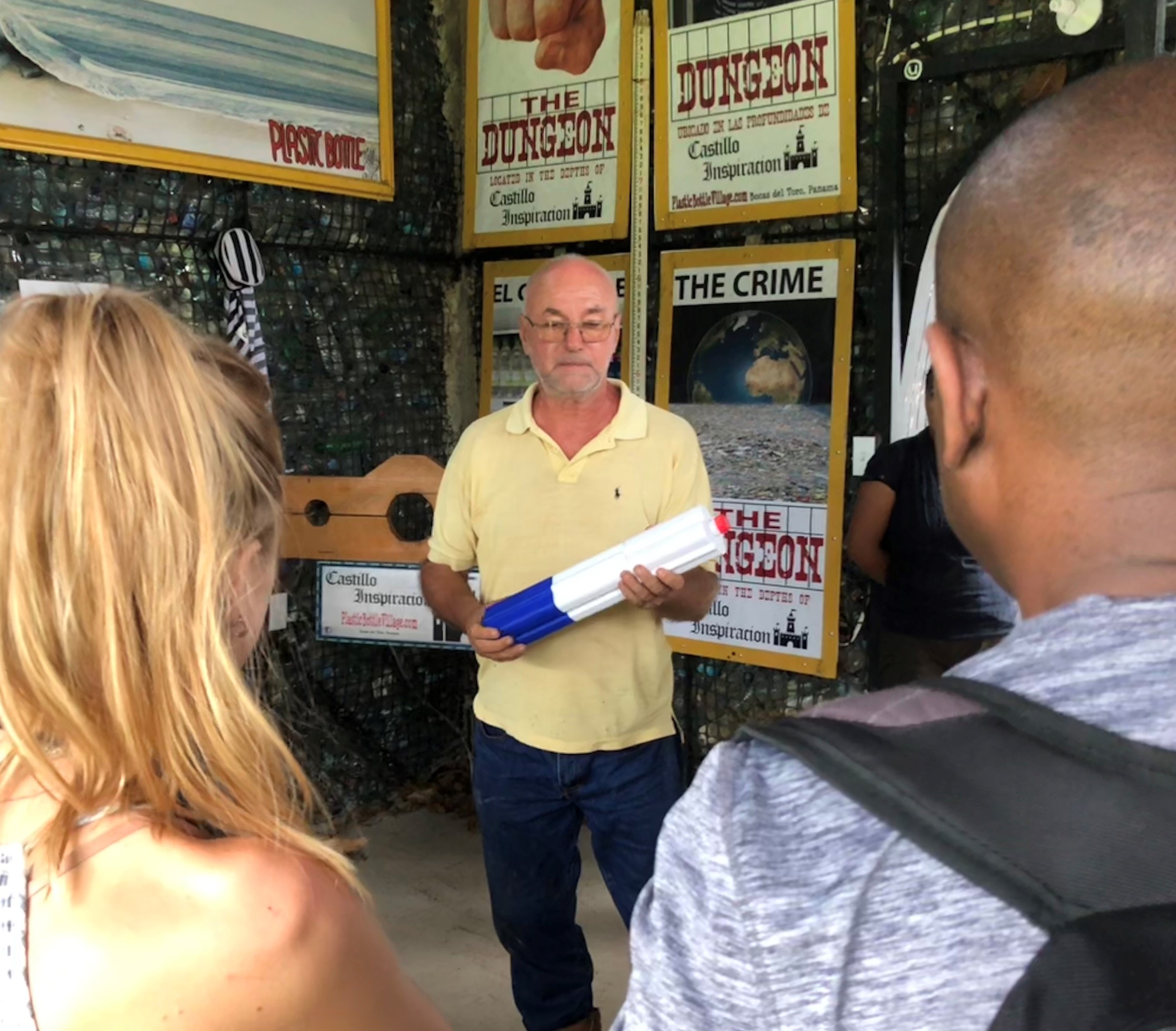
Most importantly it helped put into perspective that one man cannot change the planet by himself, and that everyone needs to be playing some sort of role. Mr. Bezau showcased a 3-D printed plastic bottle alternative that he created himself, and although he had no intention of it being implemented seriously, he demonstrated how easy it is to come up with alternatives ourselves, and how eventually he hopes to see alternative be put in place
While at the Plastic Bottle Village, we had the opportunity to visit a home with around 20,000 plastic bottles cemented into walls, and hidden from plain sight. What was so astonishing was how indistinguishable this home was from any other home. While this is an extremely unique type of house, and sounds extremely environmentally friendly, it was equally important that we discussed the potential downsides to doing something like this (Ex: Gas emitted from plastic, water collection in walls, etc.). Constructing a house like this opens the mind to a multitude of potential opportunities and innovation, so that eventually it can develop to be as environmentally friendly as possible.
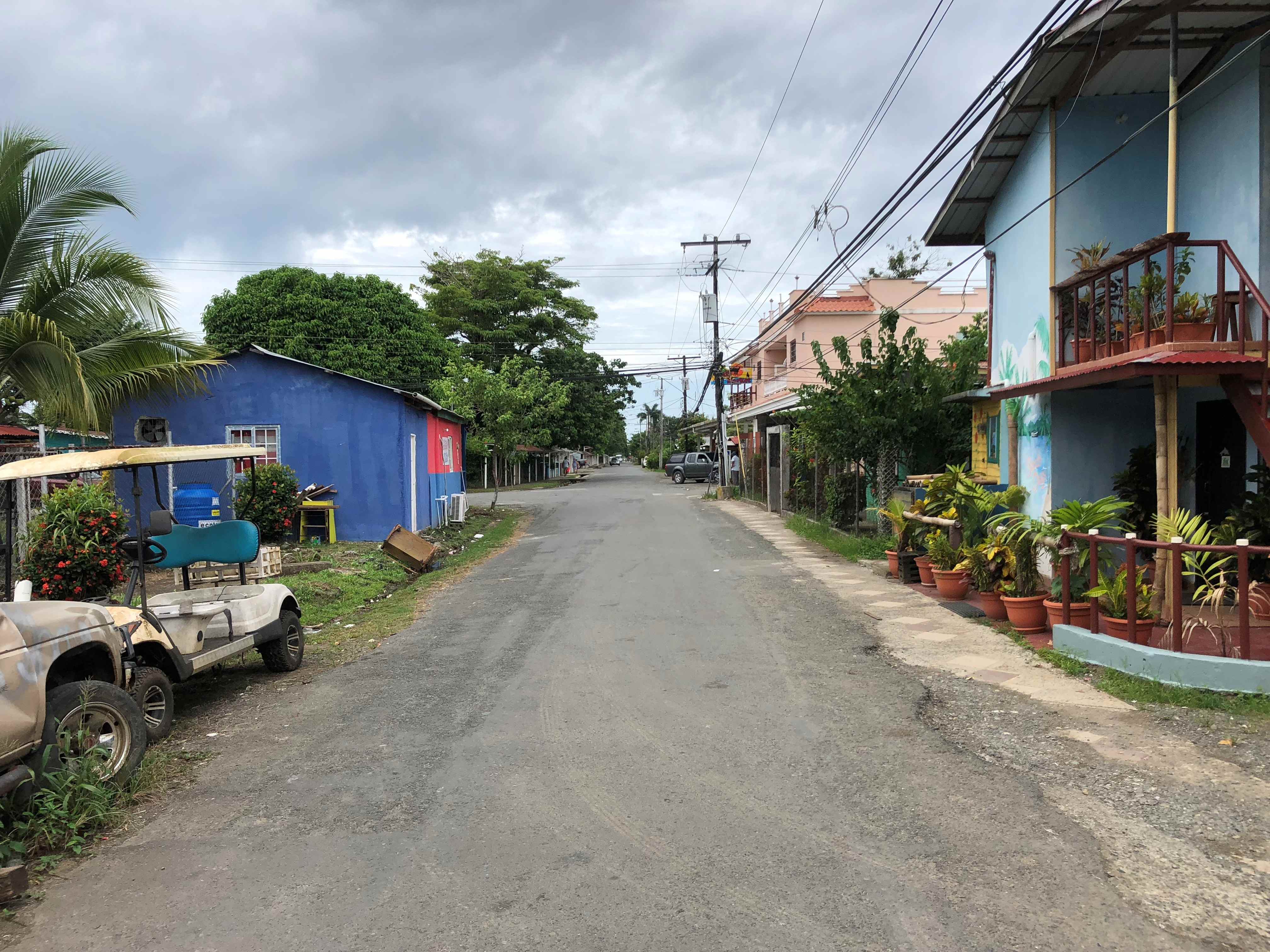
Finally, we gathered in Bocas town and divided into small groups to go mark locations
in which litter accumulated. This perhaps gave the most impactful, long-lasting response
from the rest of the group as this was an extremely hands-on, seeing-is-believing
type of activity as we were quite literally in people’s backyards documenting the
mangroves that were fading away and the sheer amount of litter accumulation by the
shoreline and underneath people’s homes. While the surrounding land was gorgeous,
this activity allowed us to witness how litter and pollution can decimate a beautiful
area. The activity really tied all the environmental impacts that we had discussed
in the morning, and created this hands-on atmosphere that furthered our understanding
of the physical impacts of waste on the environment in Bocas del Toro.