
Harper College will be closed on Monday, September 7, in observance of Labor Day.

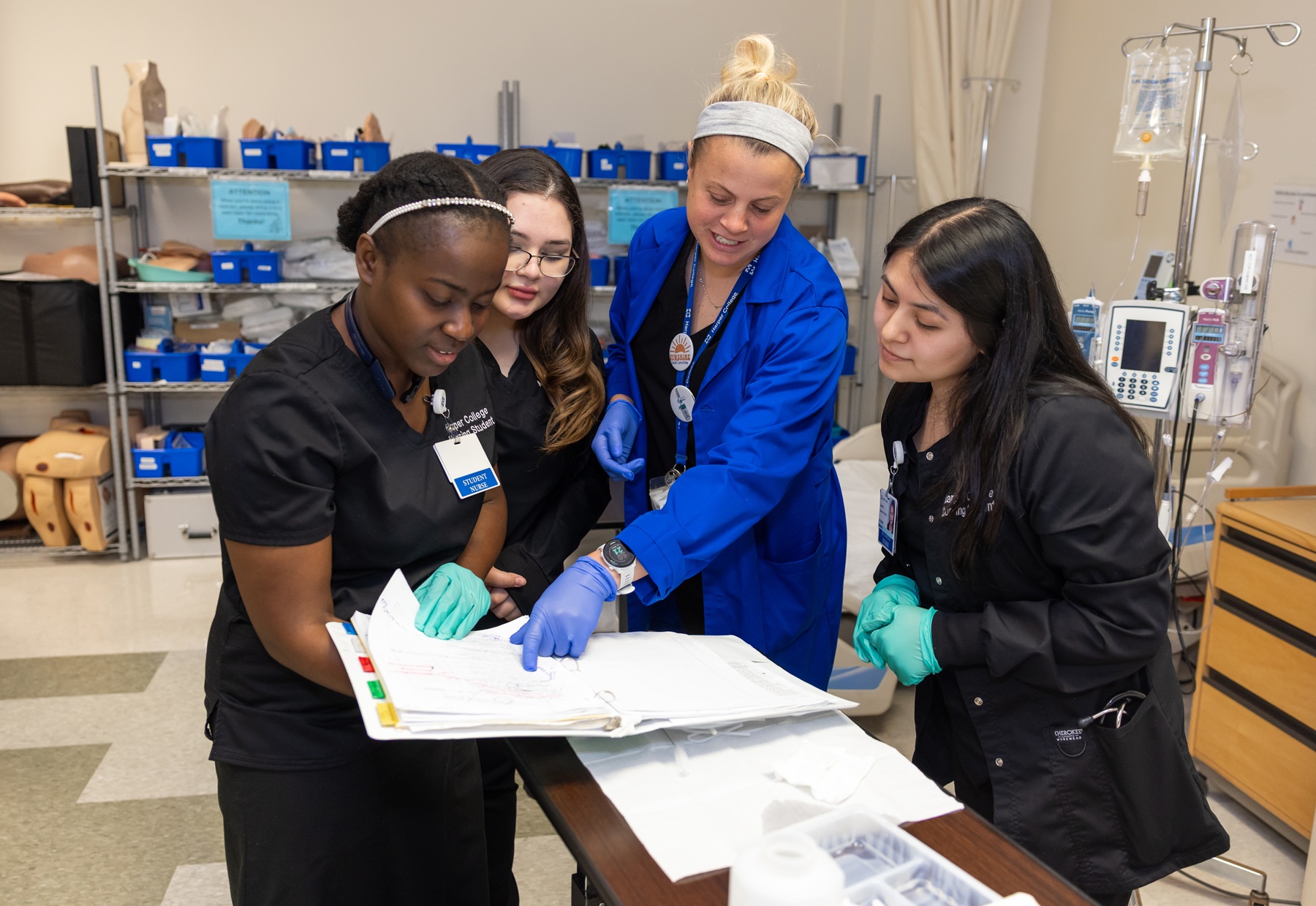
Harper College is launching its new Mental Health Technician Certificate Program in Fall 2026 as part of the institution’s effort to address the growing demand for trained mental health professionals.
Mental health technicians support individuals with behavioral and developmental disorders, assisting with daily living, treatment and recreation. Harper’s new 17-hour certificate program blends therapeutic communication, clinical knowledge and real-world experience, equipping students to work as part of a team of health professionals in hospitals, residential treatment centers and other facilities.
The program is stackable, seamlessly connecting with existing programs to help students build credentials without duplicating coursework, saving them time and money. For example, 14 of the 17 credit hours required for the Mental Health Technician certificate overlap with the Associate in Applied Science—Registered Nursing (RN) degree program, allowing students to gain an additional credential that strengthens their studies and provides additional career options.
In addition, Mental Health Technician students complete Certified Nursing Assistant (CNA) coursework as part of this certificate. Those who have earned the CNA Certificate are well on their way to another credential, having already earned six of the 17 required credits.
“We found a gap in the workforce and labor markets where there weren’t enough mental health techs in the greater Chicago area,” said Derek Leiter, dean of Harper’s Health Careers division. “Mental health and behavioral hospitals have been struggling to get support staff so they can raise their level of care in the mental health space. We also reviewed the data and saw interest from the community from folks wanting to make a real impact in mental healthcare, so we’re trying to match up the demand and the need from healthcare partners.”
According to the U.S. Bureau of Labor Statistics, there will be 18,400 openings for mental health technicians on average each year until 2033. Lightcast, which compiles data from government sources, projects employment of mental health technicians in the Chicago area to grow 6.2% over the next seven years.
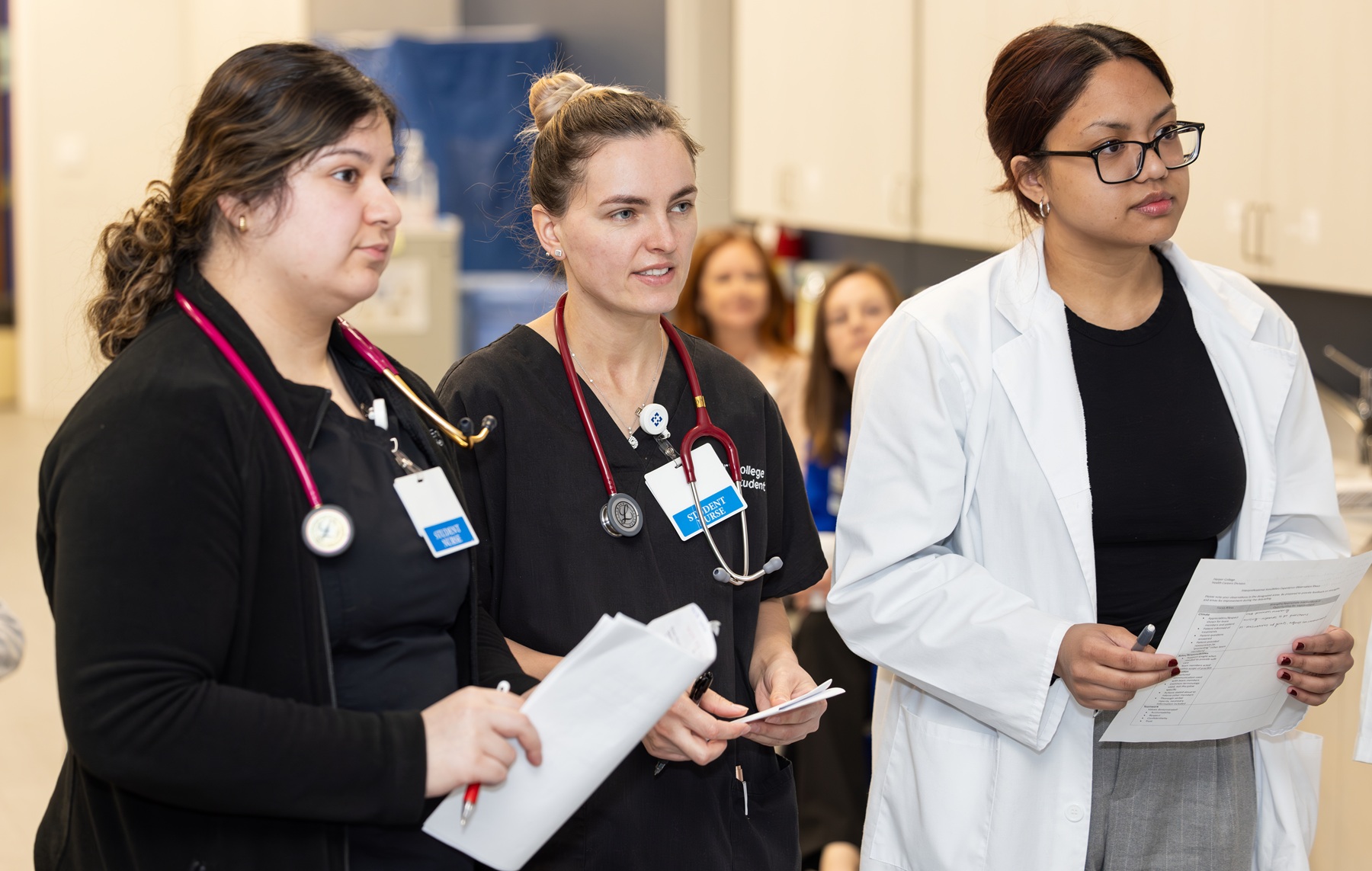
Leiter said the 17-hour program was modeled after guidelines from the state of California, which is considered a leader in the field. It was developed incollaboration with clinicians and industry partners, a connection that opened the door for students to receive hands-on experience that can lead to employment opportunities.
“There are clinical rotations that the students will go through within the program that not only give them experience in the industry, but are almost like a job, allowing the student to figure out if that’s where they want to work,” he said. “The nice part is that the program gives students a direct route into the mental health field and a broad base of experience working in mental health and behavioral health hospitals and clinics, so that this could either be a direct career path for them or a stepping stone to an adjacent healthcare career path.”
Harper’s new program is one of only a few mental health certificate programs offered in the area that provide in-person experience.
“Almost all other programs are online certificates,” Leiter said. “We believe, especially for this position, that the program should be in person because you will operate within a coordinated team of caregivers, so you need to understand how to provide a human element and be able to operate well within that care team because there’s a lot of teamwork that goes into this job.”
Tracy Hou, an instructor in health careers and the Mental Health Technician program coordinator, said the program provides skills vital for how future technicians can support individuals with behavioral and mental health disorders.
“They’ll learn how to maintain the safety of the patient and the facility and themselves,” she said. “They will also learn therapeutic communication, critical thinking skills, how to assess the patient for safety and their mental health status, as well as evidence-based practice skills and skills related to informatics, like electronic charting and how to work in interdisciplinary care, so they can work as a team to take care of the patient and about different types of treatments for patients with mental health challenges, like medication, group therapy and individual therapy.”
Hou said that anyone interested in mental healthcare should give the program a try.
“People will definitely feel very rewarded once they are in those positions,” she said. “They will feel they are really doing something for other people and for the community.”
Leiter said the new program is in direct alignment with Harper’s culture of care.
“We noticed there was a mental health crisis that really unfolded pre-COVID and still remains,” he said. When you’re sitting in a position like Harper, you can really lean into that need and show that you care.”
Learn more about Harper’s Mental Health Technician Certificate Program.