
Harper College will be closed on Monday, September 7, in observance of Labor Day.

We rose up early for our drive to Kufunda Village in the Ruwa area, about 20 miles from Harare. The contrast between urban and rural infrastructure was evident as the roads changed from double lane tar roads, to single lane roads of steadily deteriorating quality, to stony gravel roads. Upon arrival we were greeted by the communications manager at Kufunda, Steven and a community workshop facilitator Fidelis. Kufunda Village is a non profit program and site that promotes self-sufficiency and local environmentally friendly solutions through workshops. The community around the village, which has a significant number of people left without work after the controversial land reforms of the early 2000s, is a major beneficiary of the village’s projects. The word Kufunda means “learning” in Shona.
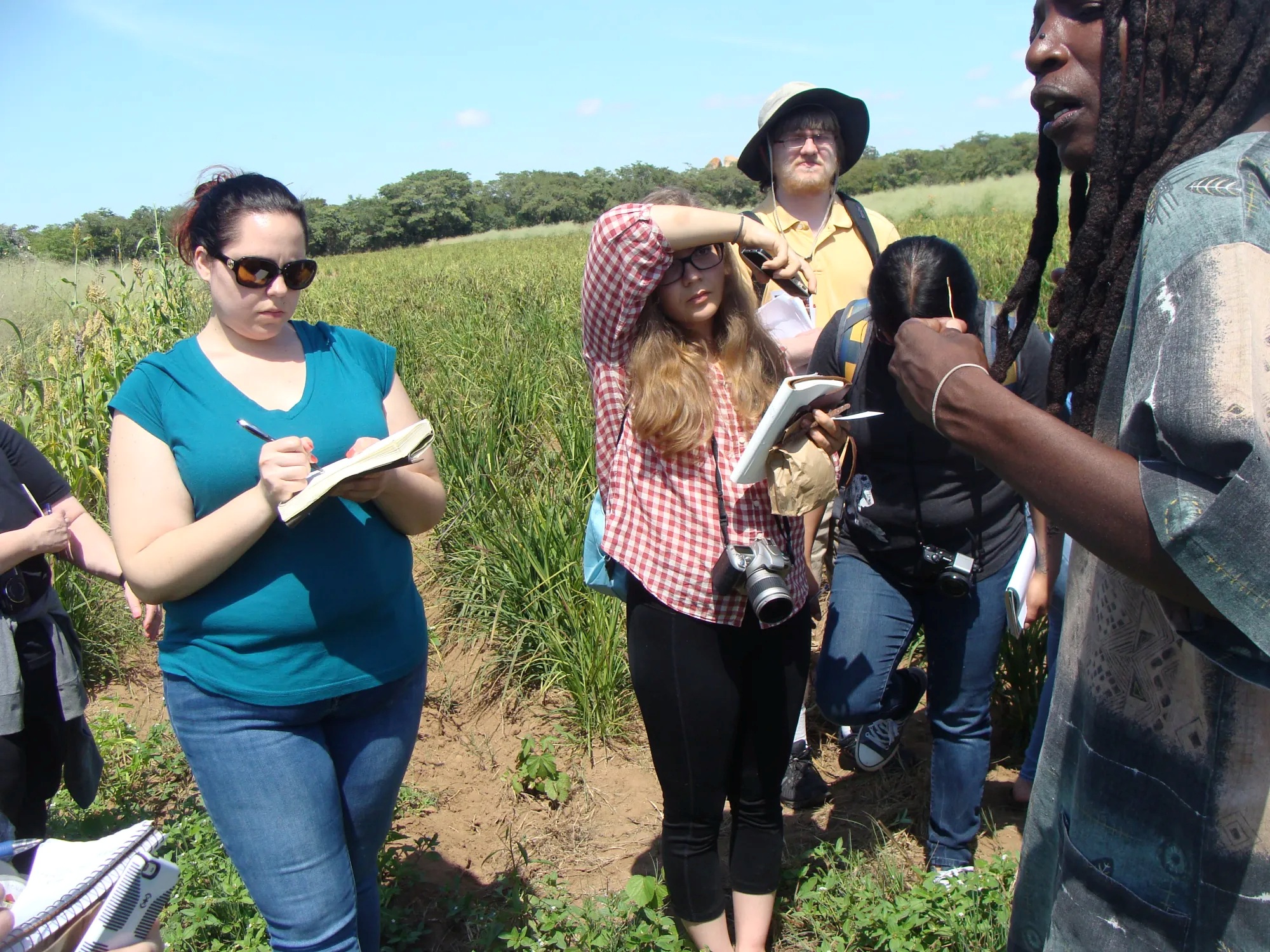
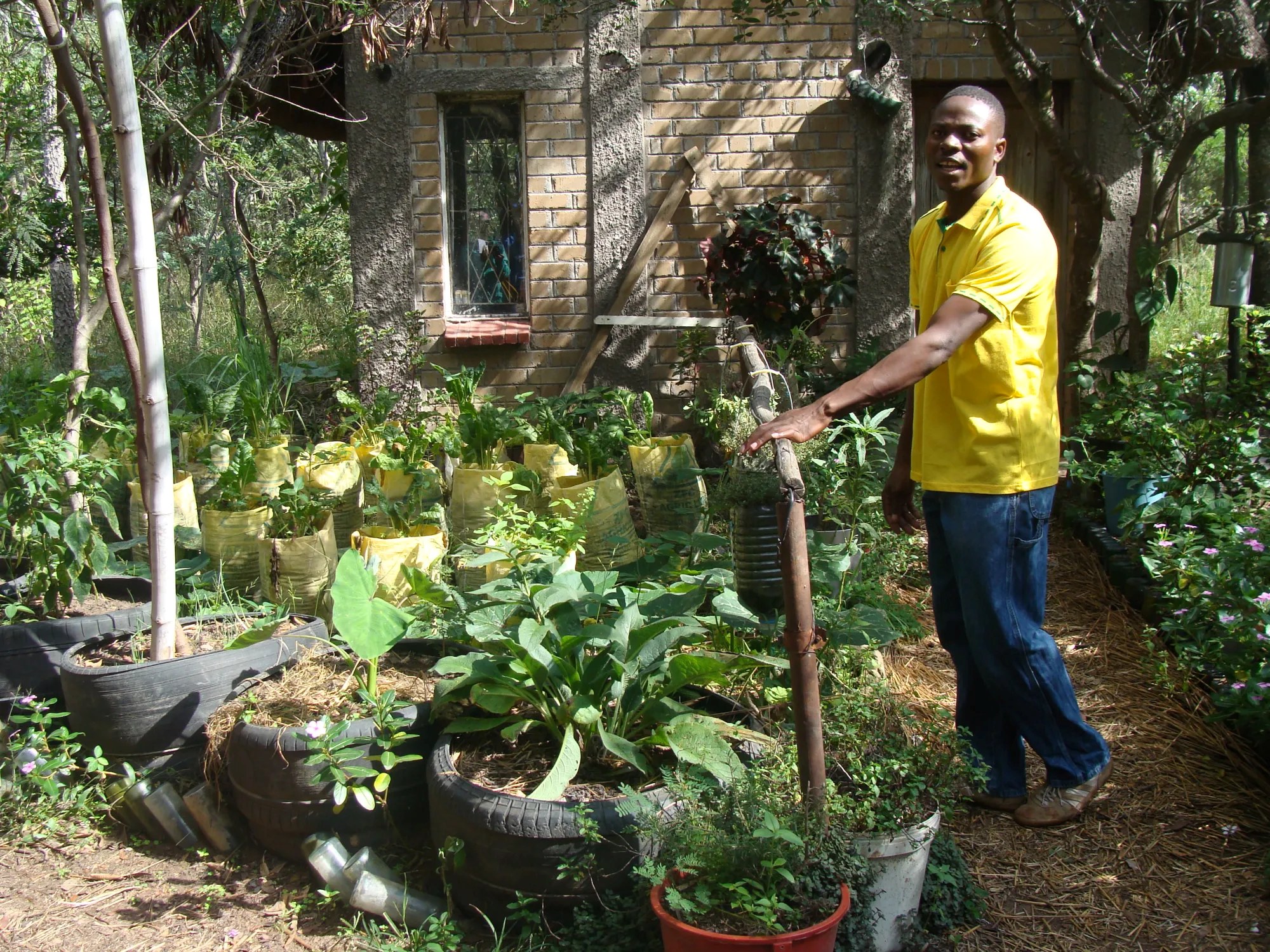
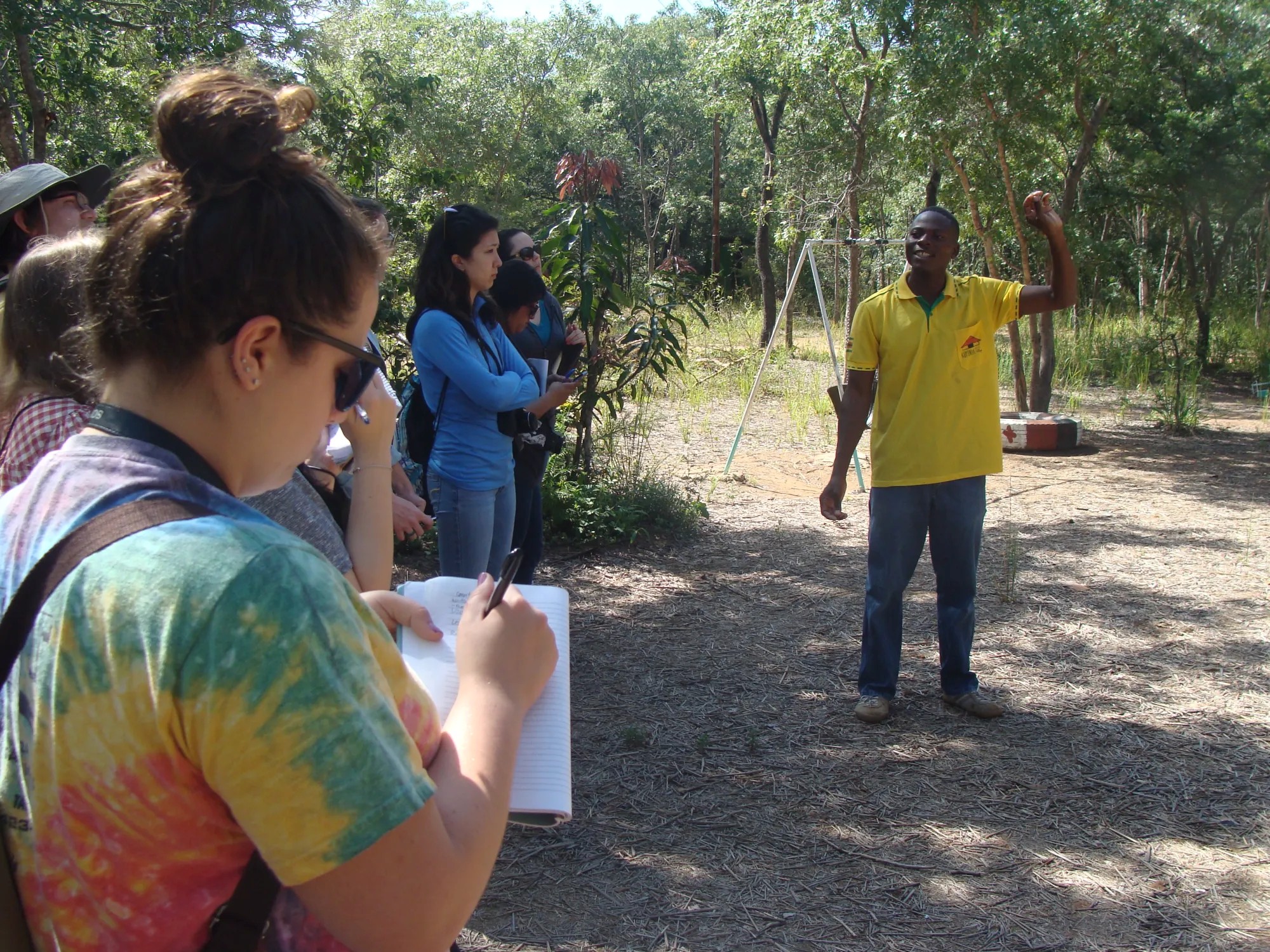
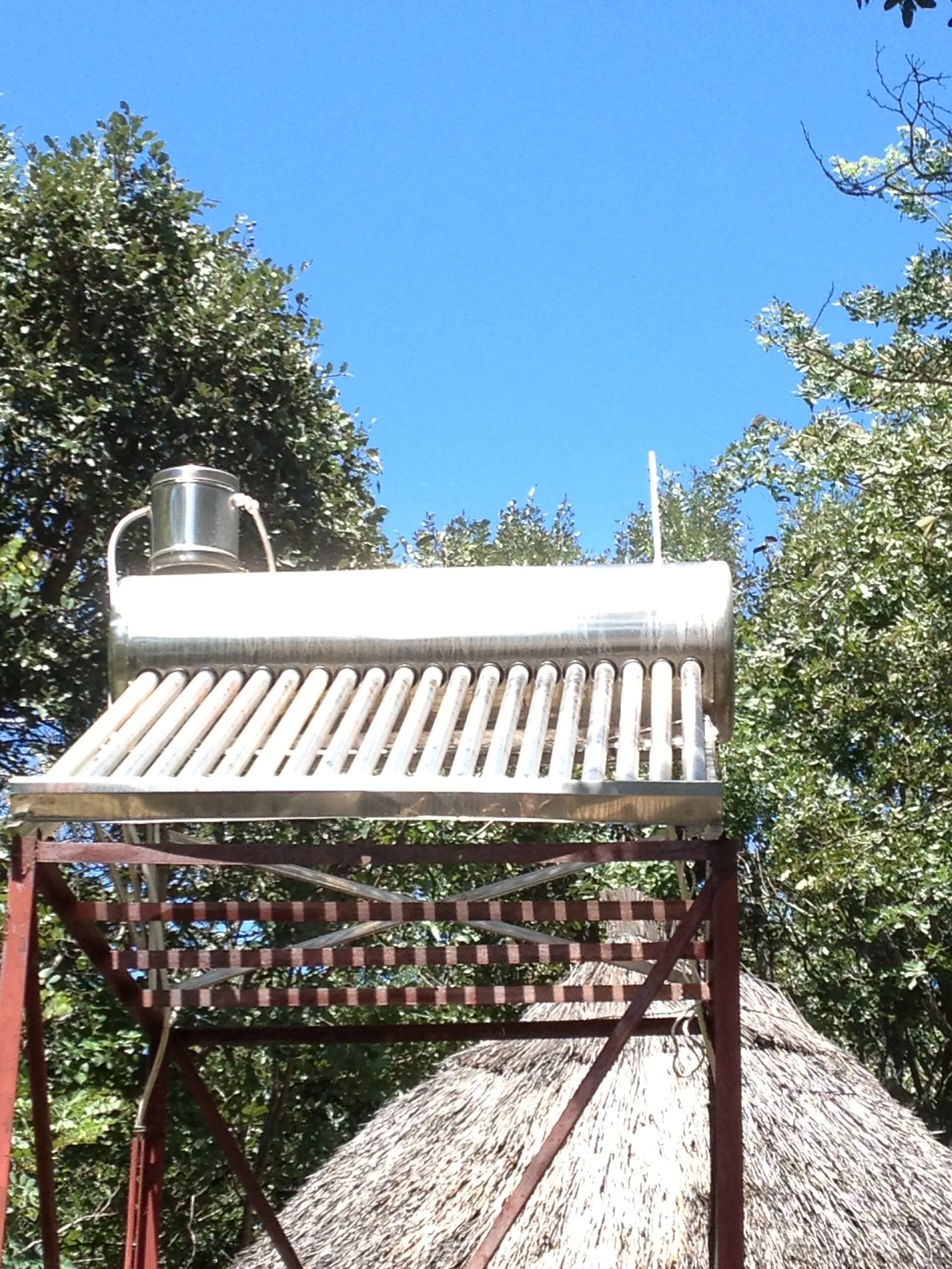
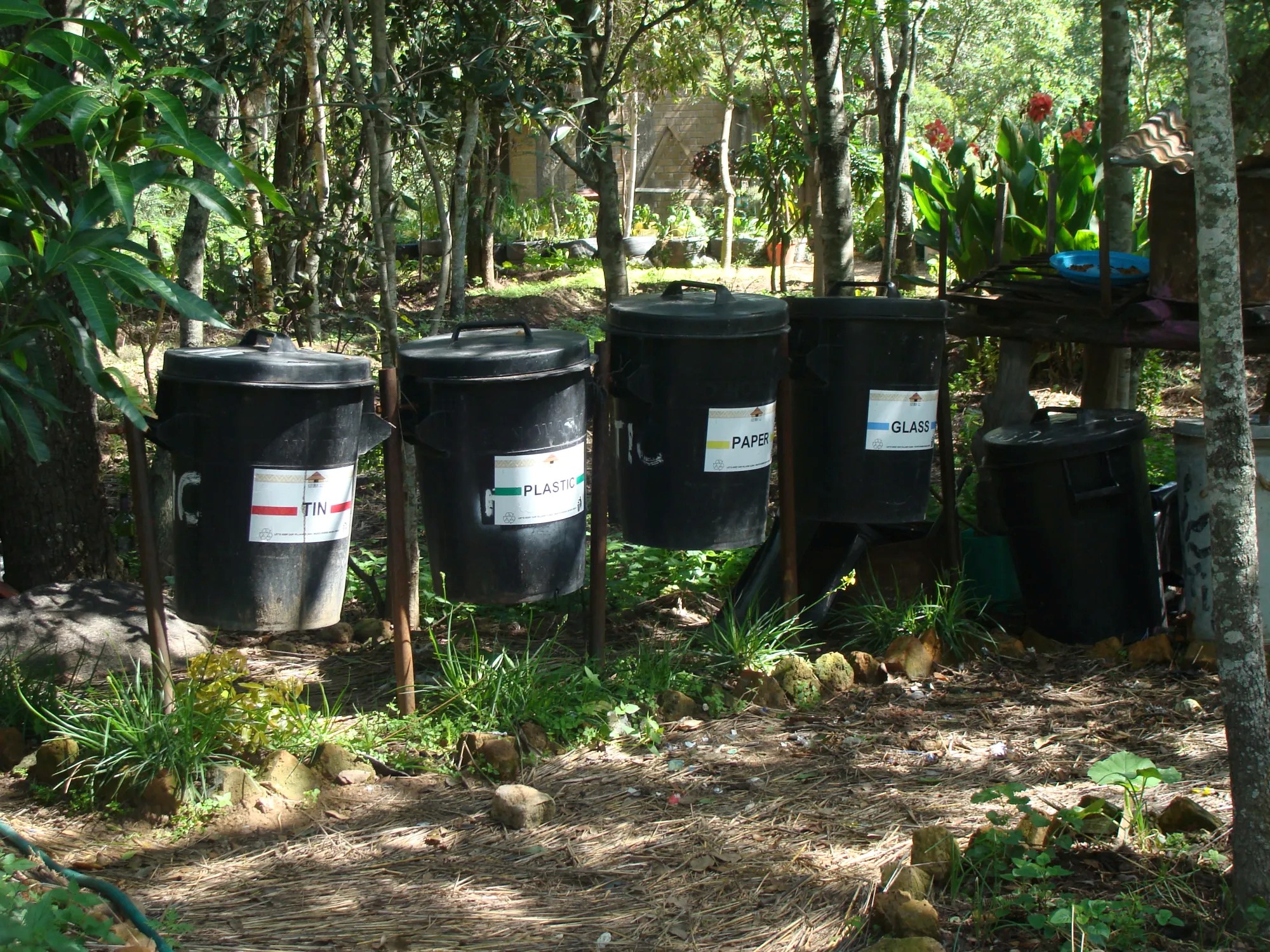
Our visit began with a tour of the programs hosted at the village. Our first stop was a permaculture garden where tires and various plastic containers were turned into pots for various fruits, vegetables, and flowers. Bottles were used to hold water and for aesthetic purposes. This particular garden had yams, onions, peppers, eggplants, green pumpkins, guava, avocados among others. As we walked to our next stop, the village preschool, we learned about the village’s use of solar power for heating water and generating electricity. We learned about a cooperative program between the Zimbabwean and Indian governments that sent women from the surrounding area, regardless of literacy level, to learn small scale solar development in India. Upon return the women were provided with the resources necessary to implement the projects in their neighborhoods. Other signs of sustainable practices included an insulated clay stove and the use of biogas for cooking.
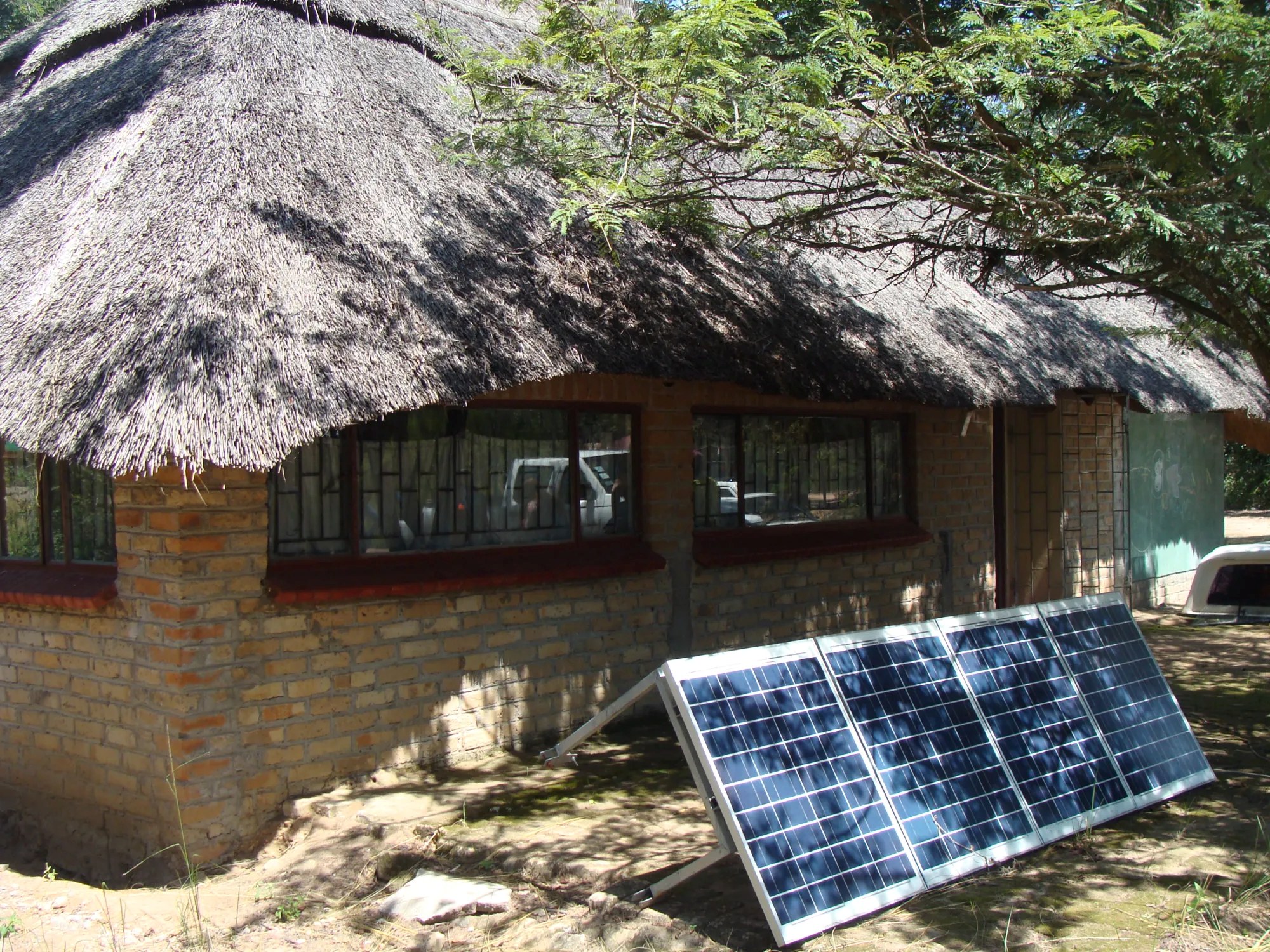
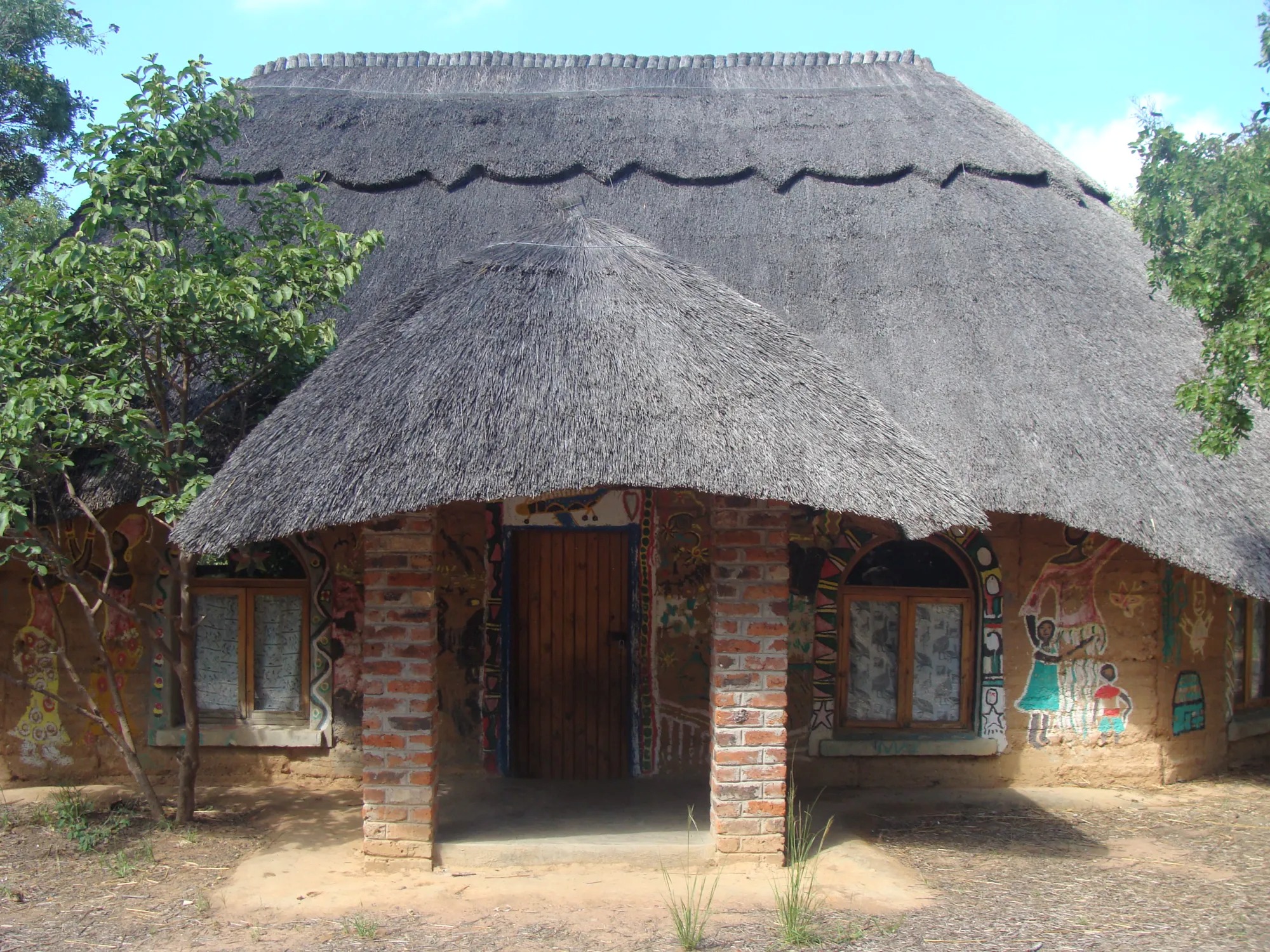
Our next stop was the preschool made of hardened clay with a durable thatch roof and concrete floor. We learned that the choice of building material for the school was part of an effort to promote the use of local material and sustainable building methods. It was interesting to learn the thatched roofs could last up to 25 years. The school’s half-day curriculum followed the Waldorf method which emphasized nurturing the student’s gifts and inclinations. The school had about 15 children between the ages of two to five years old. The school struggles to cater for the needs of the students, some of whom need meals at school because of their poor socio-economic status. Educational materials, such as drawing supplies, were expensive to obtain because most are imported into Zimbabwe, putting them out of the reach of the poor, especially in rural communities like Ruwa.
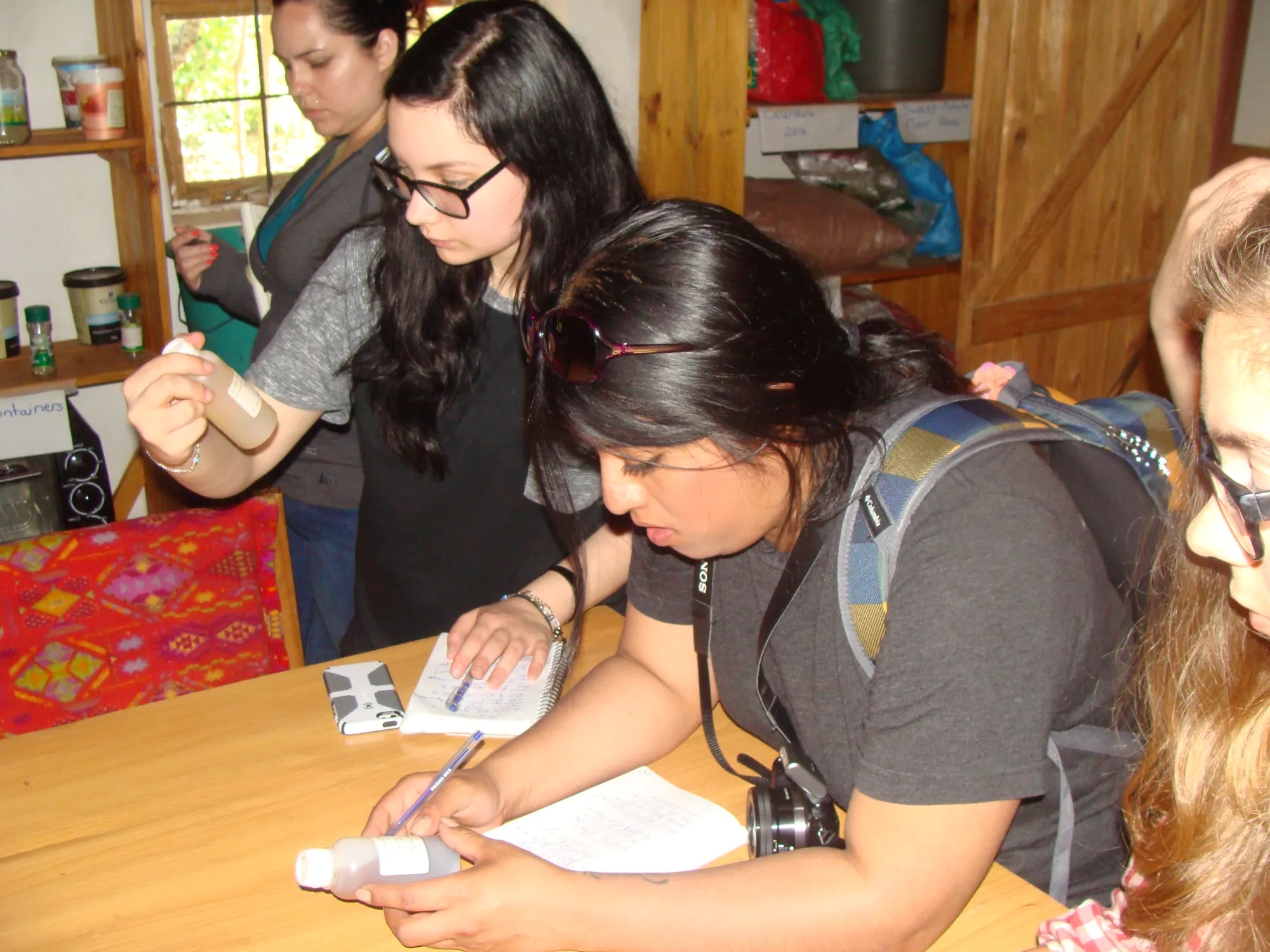
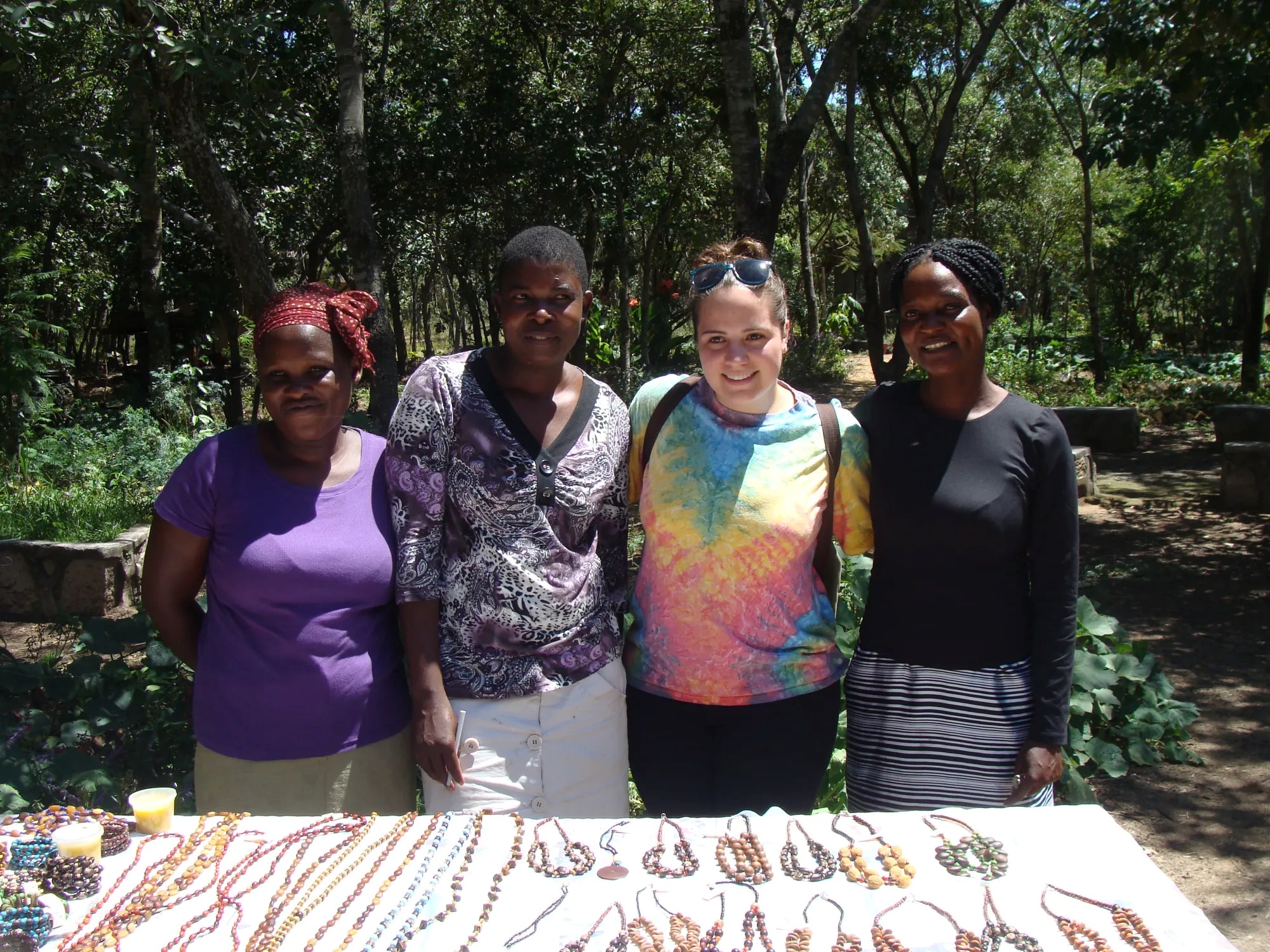
Our next stop took us to a herb processing program. The herbs are packaged and sold as food supplements or cures. One interesting supplement was moringa (Moringa oleifera), which found use as a supplement for people with compromised immune systems, such as those suffering from AIDS/HIV. Free workshops were available for the community on the uses of various herbs and tinctures.
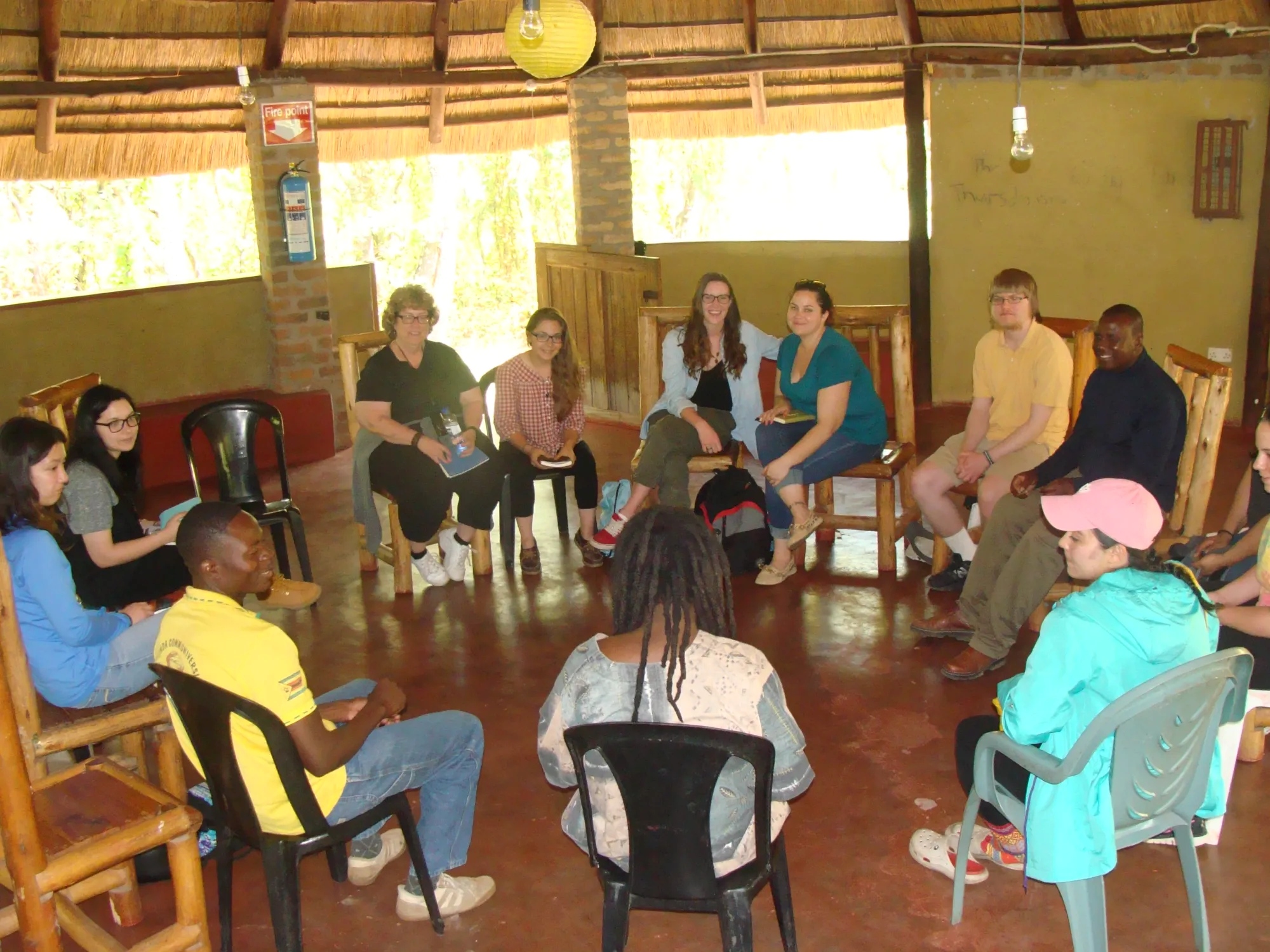
One of Kufunda’s main programs is to facilitate discussions that generate actionable ideas for a group of participants. We were provided with an overview of this process in the rondavel building that serves as the center for these discussions. The format entailed sitting in a circle with a talking piece, in this case a small smooth stone that was held by the speaker and passed on to the next speaker. The circle symbolized equality during the meeting. A bell was used to refocus the discussions when required. We also learned of self-improvement programs at Kufunda, such as the vision quest, where a person spends time in the bush alone for reflection with the aim of letting go of the past and charting a way forward by connecting mind, body, and spirit.