
Harper College will be closed on Monday, September 7, in observance of Labor Day.

Today the Naso people number about 3,800 and live on the forested banks of the Teribe River, subsisting on agriculture. Another few hundred live across the border in Costa Rica. Most of the Naso region is protected by La Amistad International Park and the Palo Seco National Forest. One of the leading families is the William family. Virginia William is the mother of Max and Jeison William. Their family opened their doors to us and taught us about their culture, traditions, and their knowledge of the environment.
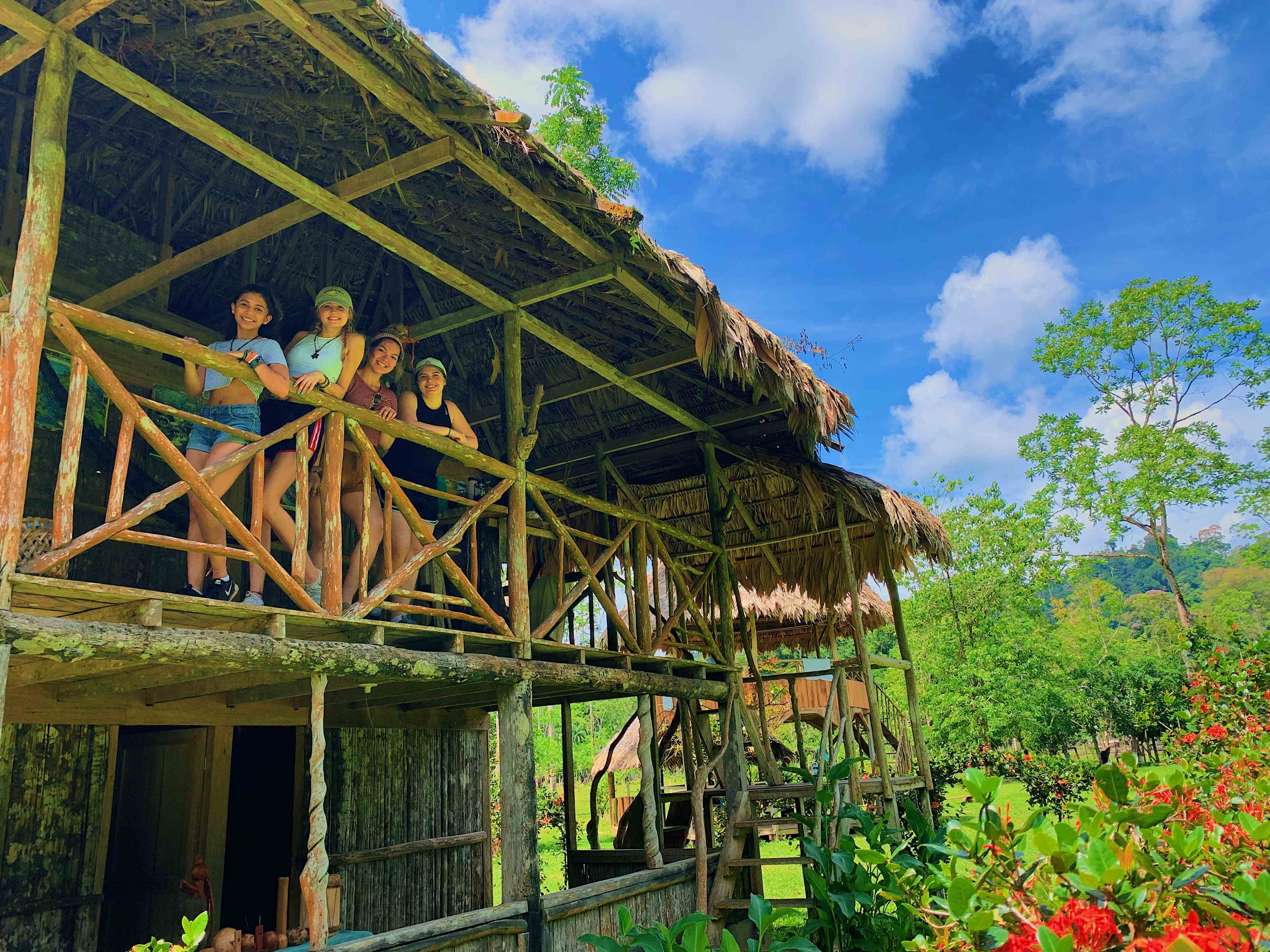
Their signature architecture is stilt houses constructed of Jira and palenquilla palm species. The homes are handmade, crafted with material from their land. The William family built these homes for their visitors. Each room was meant for one individual, but we were still close to one another. Throughout the days that we have been staying with the William family, we have created a genuine connection. We came in as tourists, but we ended up being part of the family. Unlike other indigenous groups in Panama, the Naso have not been granted their own comarca. A comarca is a region/subdivision of land found in Iberia and parts of Latin America. In Panama, comarcas are administrative regions of significant indigenous populations. While five exist in the country, the Naso do not have one. This puts their ancestral land and the Rio Teribe at risk of development and other threats. Many members fear losing the Rio Teribe will mean the disintegration of their culture, while others favor it as a source of income.
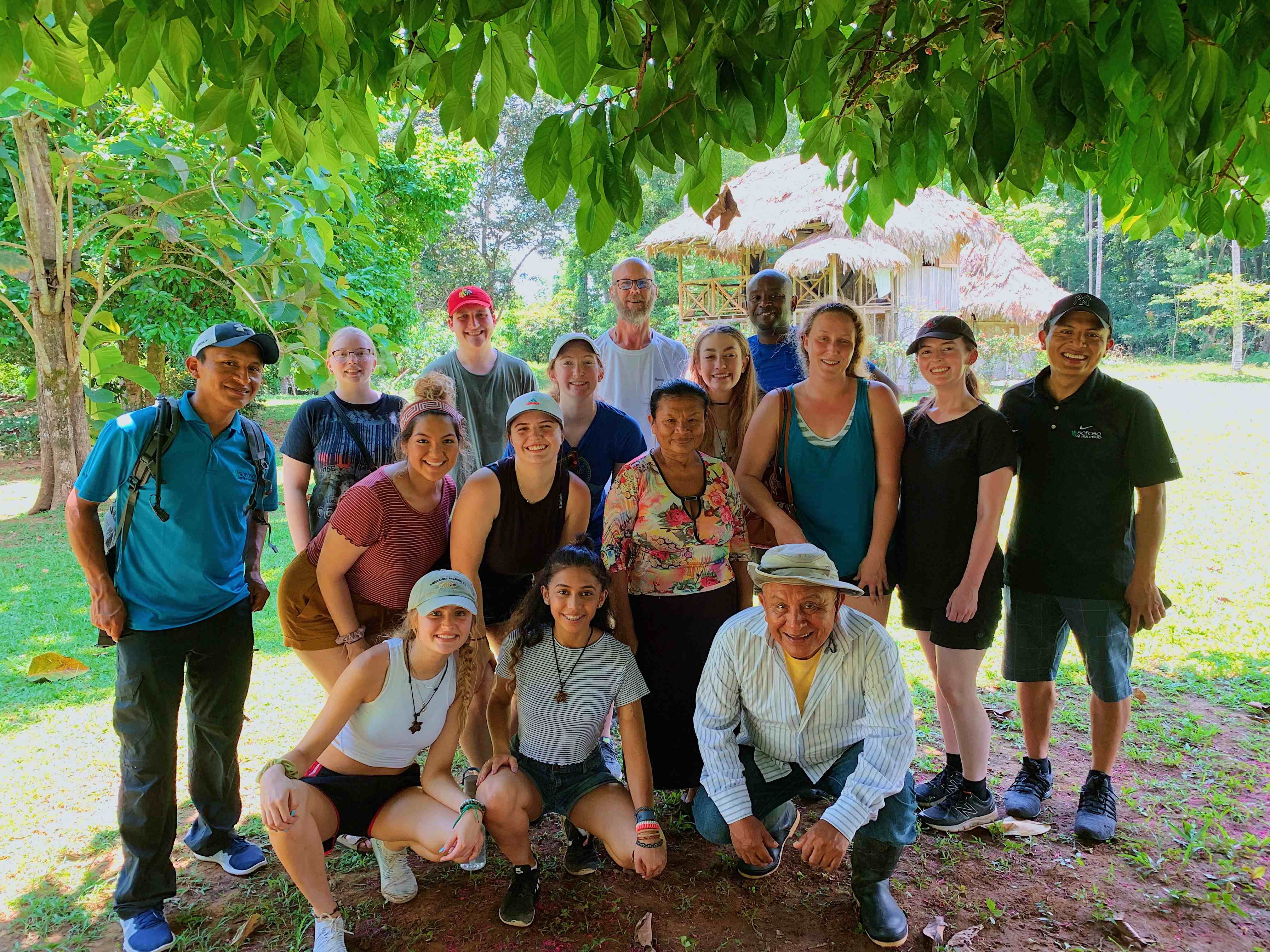
Being welcomed by the William family did not just teach us about their agriculture, land or the situation they are going through. The family made us realize that the land and family is more important than a simple income. Learning how to work together and work with mother nature is an important skill. As indigenous people, they should have the right to their own Comarca recognized by the state. They want to protect their culture and environment for their kids and ancestors that have also worked hard to keep their land healthy.
The Naso people are trying to retain a strong sense of community. A community is a few neighbors working together to help each other because they agree it's a lot more peaceful and worthy than each only worrying about themselves. A community needs sufficient number of caring, compassionate individuals who maintain both self-respect and respect for others. It needs to come to an agreement on how they will function. The Nasos have shown us how to work together and keep their traditions going.
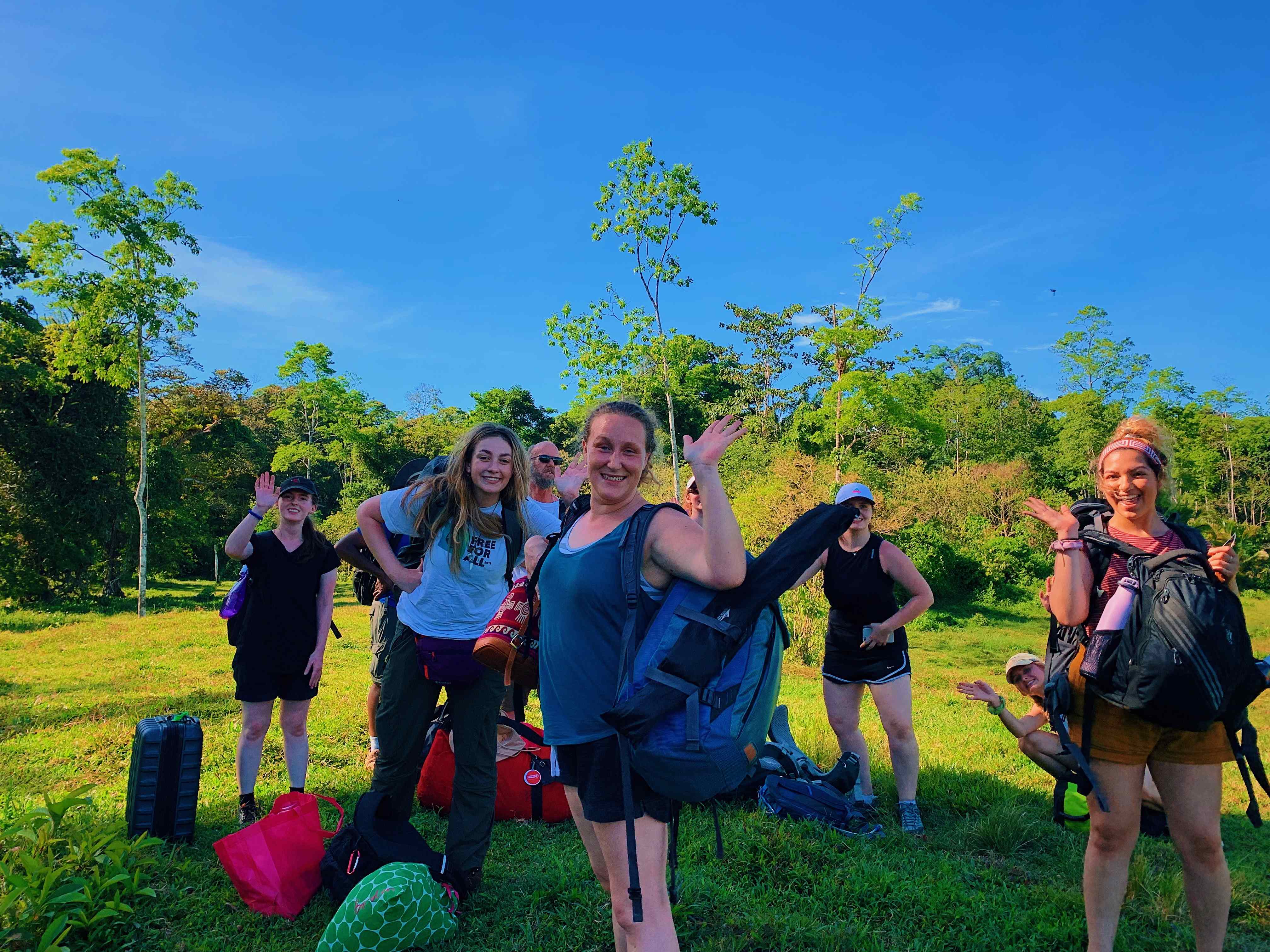
As a group we have grown and learned many skills through being together, giving back, and learning to care about our surroundings and not just ourselves. But at the end of the day, our journey had to come to an end. The William family has given us a part of their culture to us but overall, we have become a family.