
Harper College will be closed on Monday, September 7, in observance of Labor Day.

The following is an essay written by Marie Farber-Lapidus, a member of Harper' Colleges Business faculty, as a class ice breaker. She was meant to write about an object that helps her feel grounded. She has graciously allowed us to share her unique personal experience here on worlding.us.
My Amazigh Crown
I am a Soviet refugee. I came to the U.S. in May of 1980 at the perfect time for The Empire Strikes Back to be released. This was the first movie I saw in the U.S., and I didn’t speak English. But I loved it, and Harrison Ford, forever.
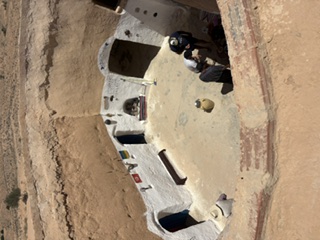
In May 2026, I participated in a Harper field seminar to Morocco and Tunisia with my Harper colleagues. My favorite day was in Tunisia, where we went to see the caves where the original Star Wars was filmed, including the home of Luke Skywalker. The feeling of actually being there was incredible. It felt like being in a movie.
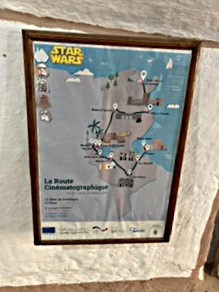
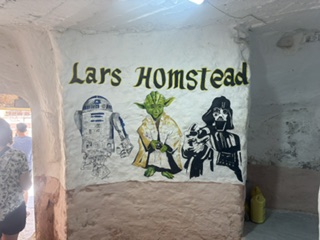
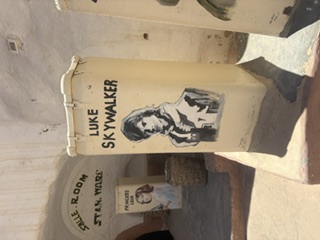
The same day, as we were making our way toward the Sahara Desert, we stopped for lunch
and met Myriam. She was an entrepreneur, a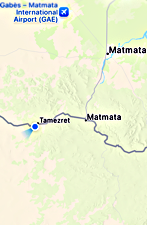 mother, and Amazigh, one of the Indigenous peoples of North Africa. Amazigh culture
and language have survived centuries of conquest and Arabization. In southern Tunisia,
Amazigh communities have also lived for centuries in underground cave homes, which
provided protection from the extreme desert climate and the Arab invasion. Myriam
and her family had lived in the caves until they were able to move to a small city,
Matmata, several miles away.
mother, and Amazigh, one of the Indigenous peoples of North Africa. Amazigh culture
and language have survived centuries of conquest and Arabization. In southern Tunisia,
Amazigh communities have also lived for centuries in underground cave homes, which
provided protection from the extreme desert climate and the Arab invasion. Myriam
and her family had lived in the caves until they were able to move to a small city,
Matmata, several miles away.
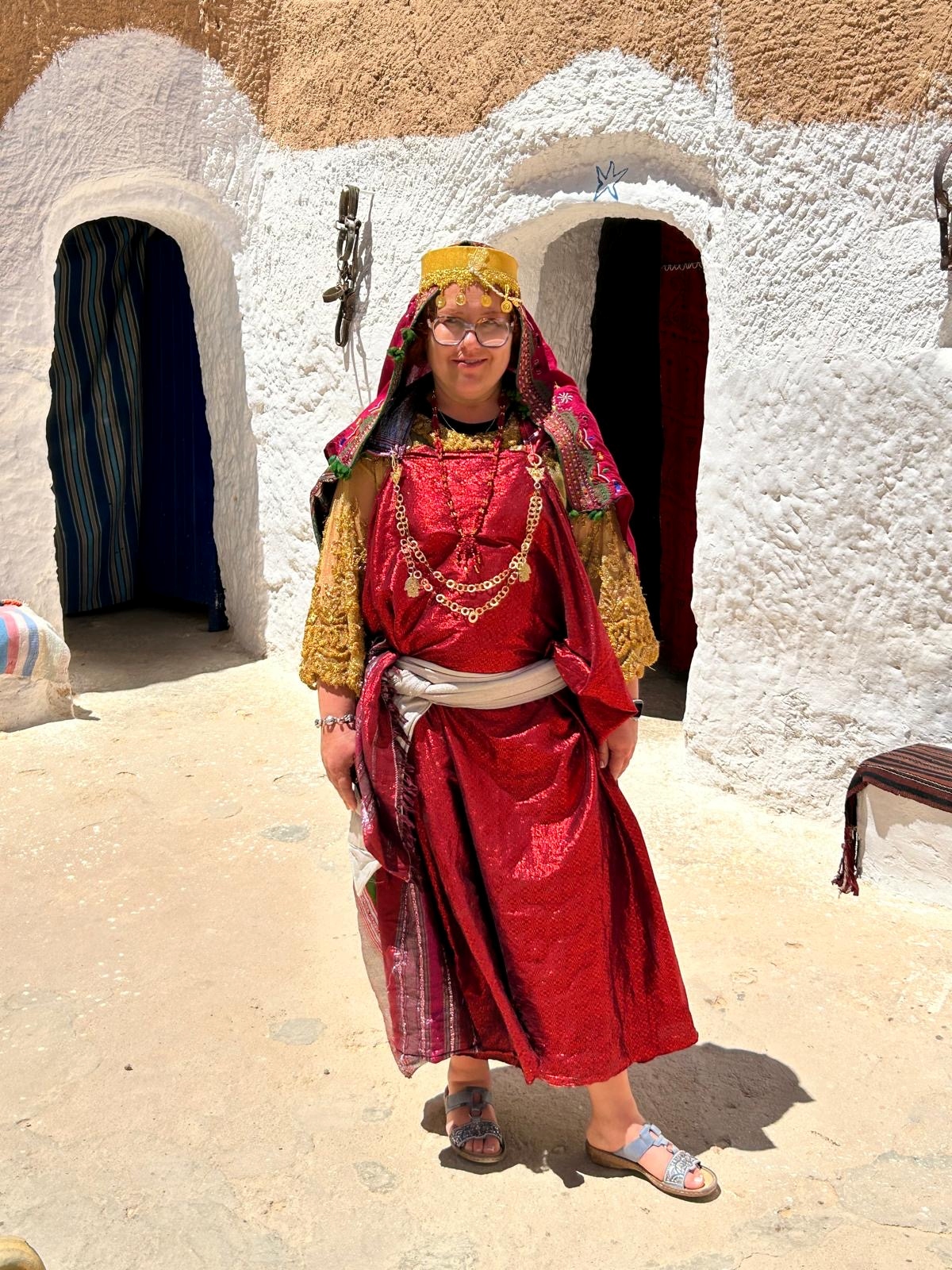
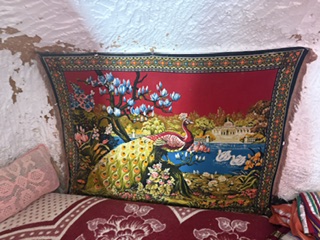
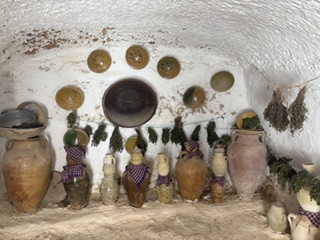
Now, she has made the caves a tourist destination, where she and her family serve lunch and show the world how they lived until very recently. I also got picked to be dressed up as an Amazigh queen, part of the tourist experience, and danced around while Myriam played the drums and sang. I bought the crown, which Myriam had made by hand, to take home. It was like being in a movie that I didn’t want to forget
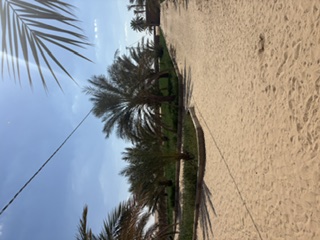
After lunch, we continued on to the Sahara and stopped at an oasis at the entrance to the desert. Although we didn’t have much time and it was about 100 degrees out, we walked over to the camel caravans that take tourists on rides.
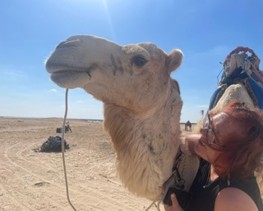
This is where I met Amir, the camel. As you can see, he looks remarkably like the
smiling camel from the old Camel cigarette ads.
But standing at the edge of the Sahara was more than just meeting Amir. How many movies
have been made about this desert, from Lawrence of Arabia to Io Capitano? How many
people have crossed it in search of a better life? How many have died trying?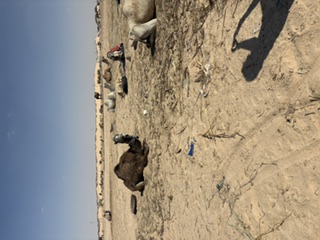
The Sahara isn’t just the backdrop of movies. It is a real place of migration, borders, conflict and escape. Western Sahara remains disputed territory, and parts of it are still heavily contaminated with minefields left from the conflict. Even the recent film Sirât, which won the Jury Prize at the Cannes Film Festival, uses the Moroccan desert and a minefield as part of its story.
Suddenly, I was standing in the landscape of all these stories.
My Amazigh crown grounds me in my travel experiences, reminding me of all the sites on our trip and all the conversations about the MENA region that we have had over the past year in our professional development classes. But most of all, it connects me to my love of movies, and to stories of escape, refuge and the entrepreneurial mindset.
It reminds me that sometimes the places we first encounter through stories become real places, filled with real people and their own stories. And sometimes you get to bring a little piece of that story home.