
Harper College will be closed on Monday, September 7, in observance of Labor Day.

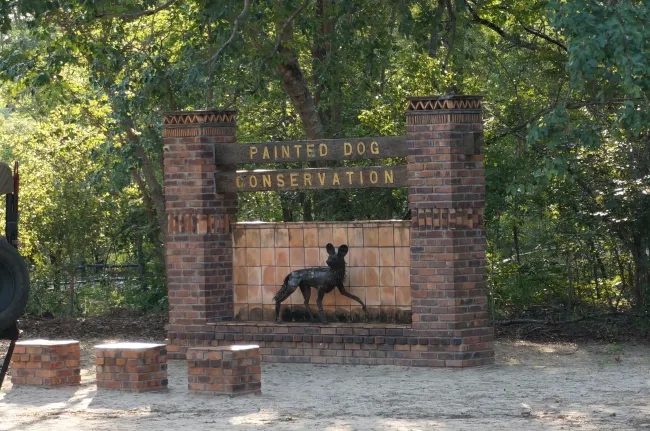
The Painted Dog Conservation Project (PDC) is dedicated to the education and preservation of endangered painted dogs (Lycaon pictus) in Zimbabwe and elsewhere in Africa. These animals are also known as the African wild dog or the African hunting dog. Once prevalent across Africa, numbering a half million animals, there are said to be fewer than 7,000 dogs remaining today. African wild dogs are threatened by snares set by poachers, and humans who hunt and kill them because they feel the dogs threaten their livestock.
Painted dog’s shrinking range.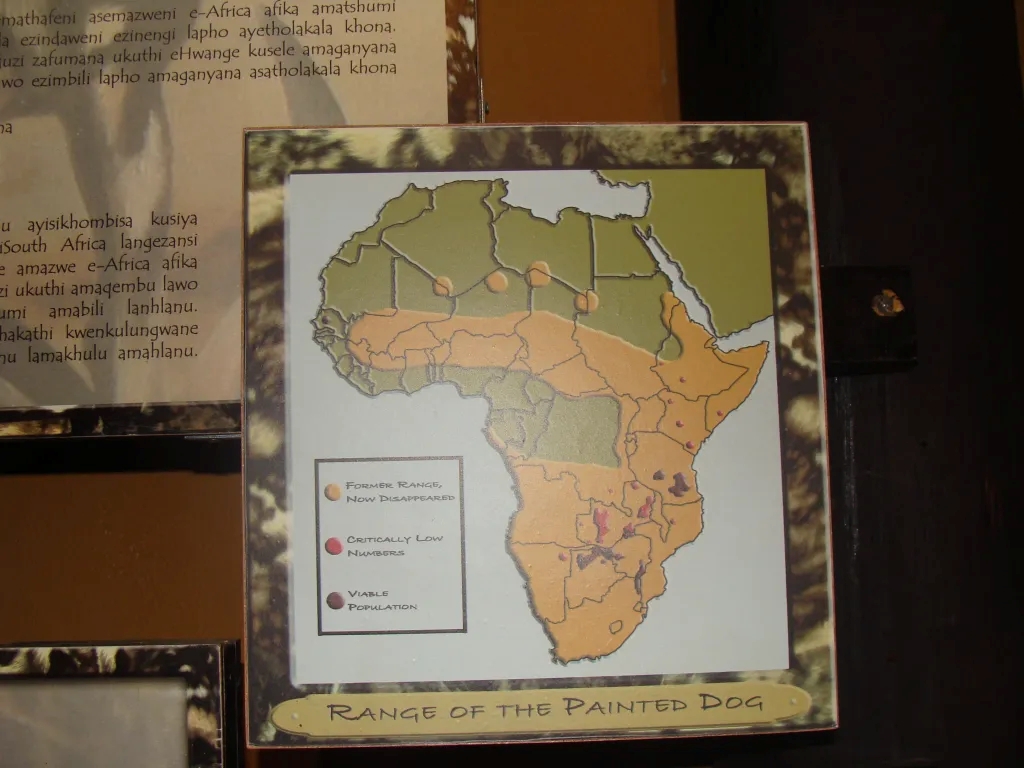
These dogs are unique in that they have four toes instead of five, and no dog has exactly the same markings as another. They are slender and long-limbed, with bushy tails and erect ears, and a powerful jaw for hunting. The erect ears are cone-shaped and are referred to as “searchlight” ears because their range is extremely far-reaching. Their mottled, calico, appearance acts as camouflage in the wild. They are social creatures, living in packs consisting of a minimum of six dogs, with an alpha male and female pair as the head of the pack. The alpha female bears the pups in a den built by the pack. She bears two to twenty pups at a time, which are born completely black before they turn to their beautiful mottled pattern within three to four weeks. When pups are three to four years old, they leave their packs to join different packs in order to breed, since there is no interbreeding within a pack.
The PDC sponsors scouting teams who scour the bush for snares set by poachers, and the snares are removed. The wires from the snares are used to create art for sale to fund conservation programs – converting tragedy into art. The scouts are also on the lookout for painted dogs that are injured in the wild; these dogs are taken to the PDC for rehabilitation and care. This is an important function, for an injured dog is a liability in a pack setting. However, if the animal can be cared for and nursed back to health, its release into the wild as a healthy pack member is a bonus. Ideally, released dogs are fitted with VHF radio collars that offer protection from snares, which also enable the PDC to keep track of them. Collars carry a hefty price tag of $500 each; obviously, obtaining funding this initiative remains critical.
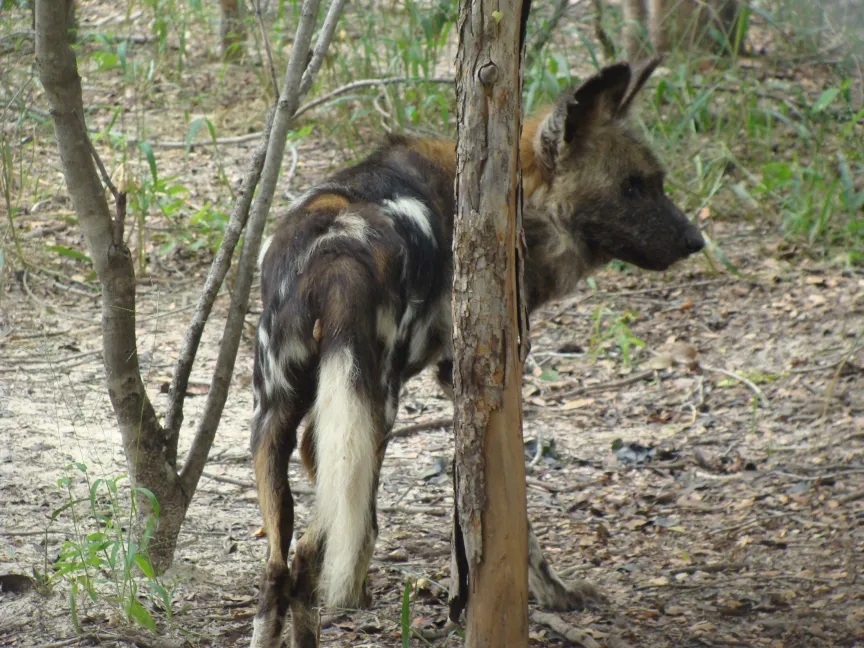

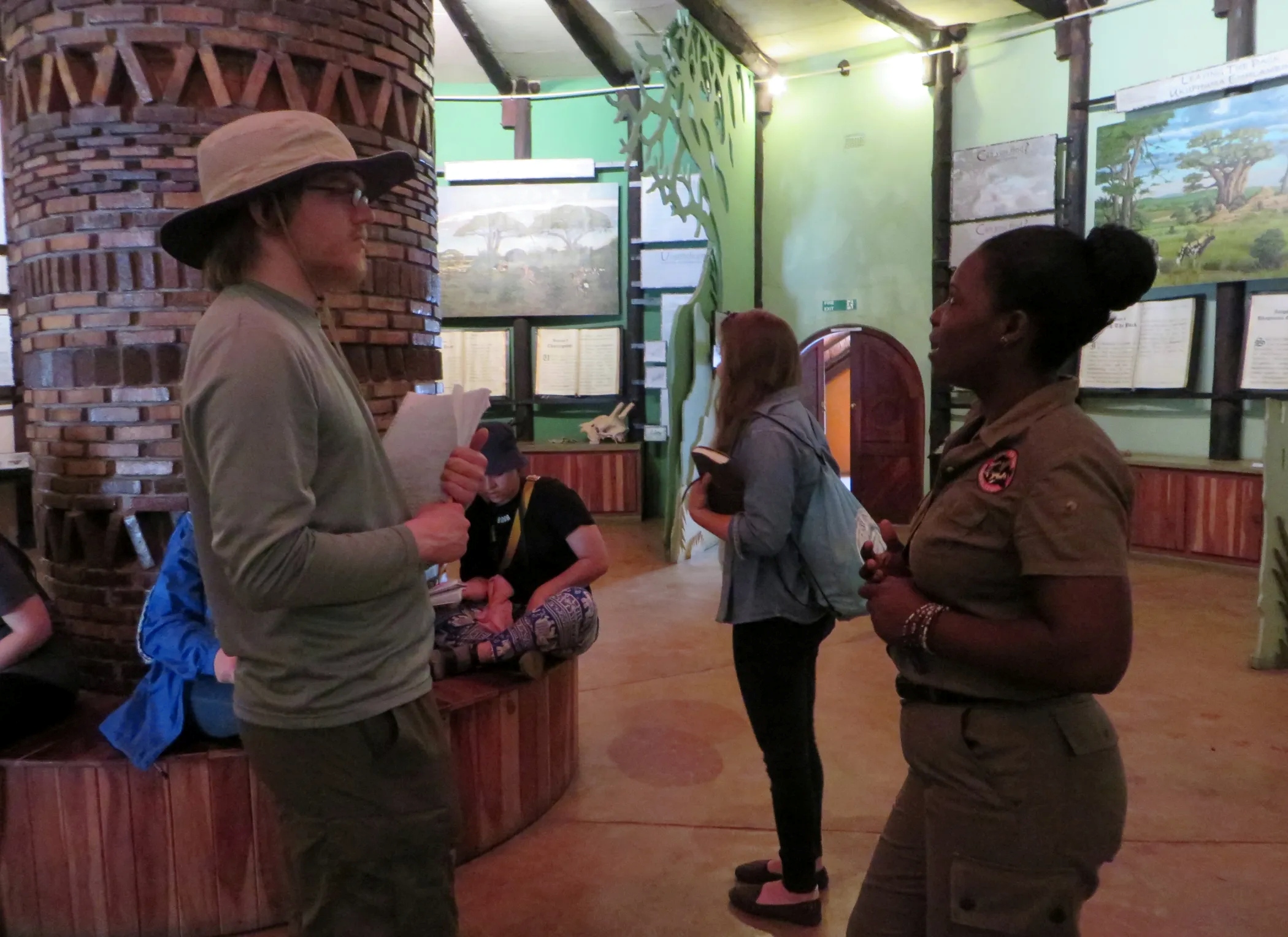
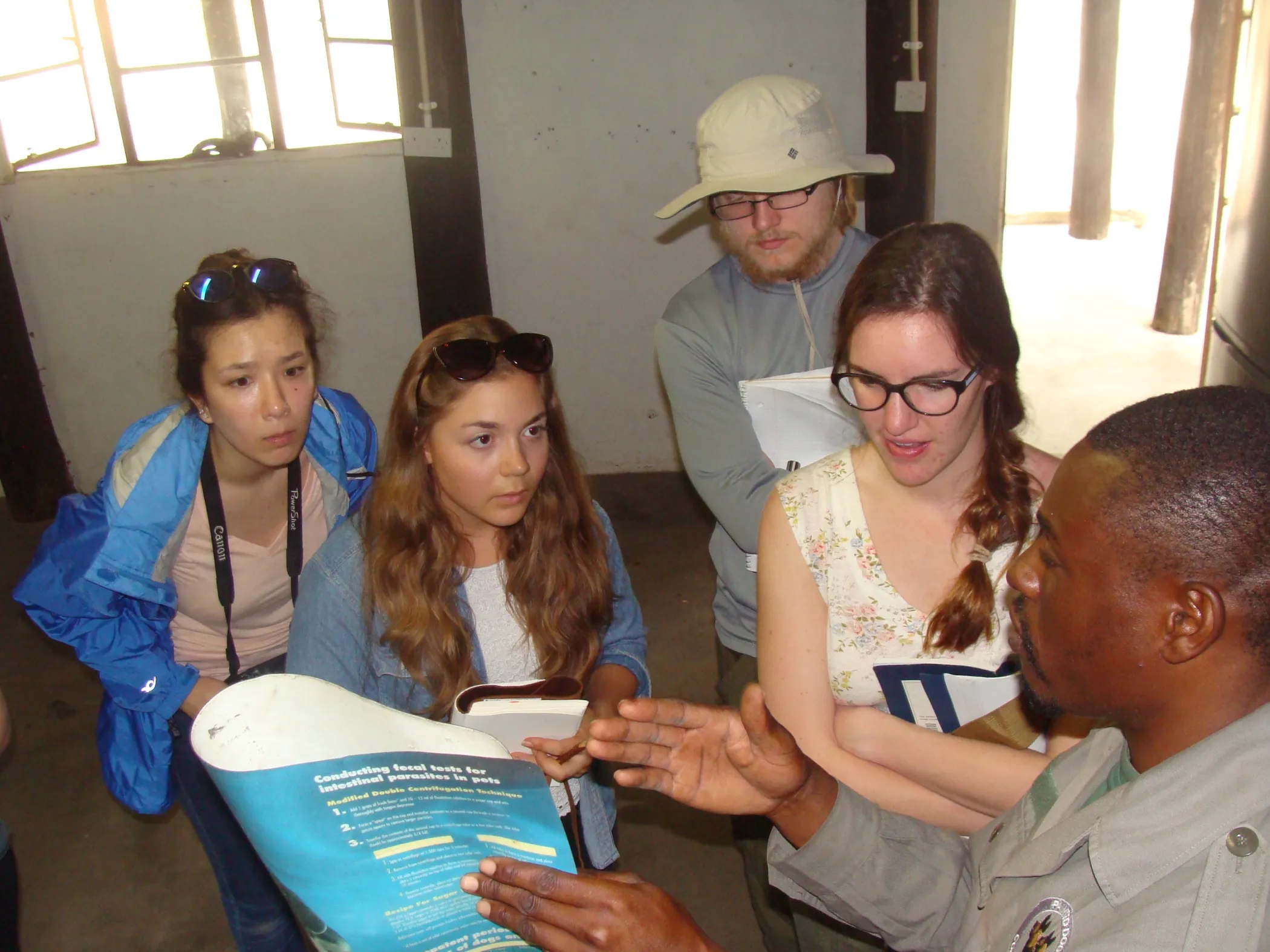
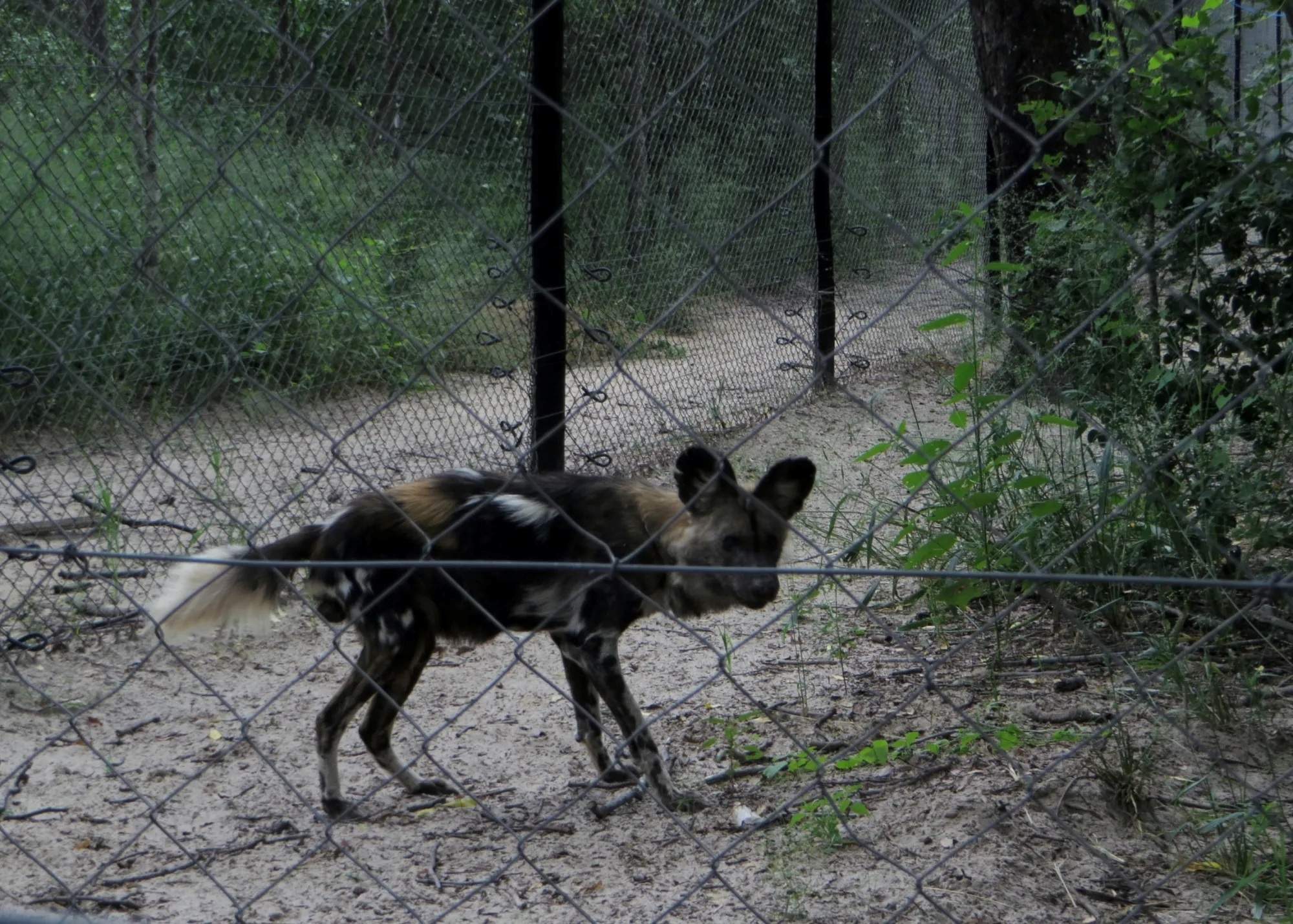
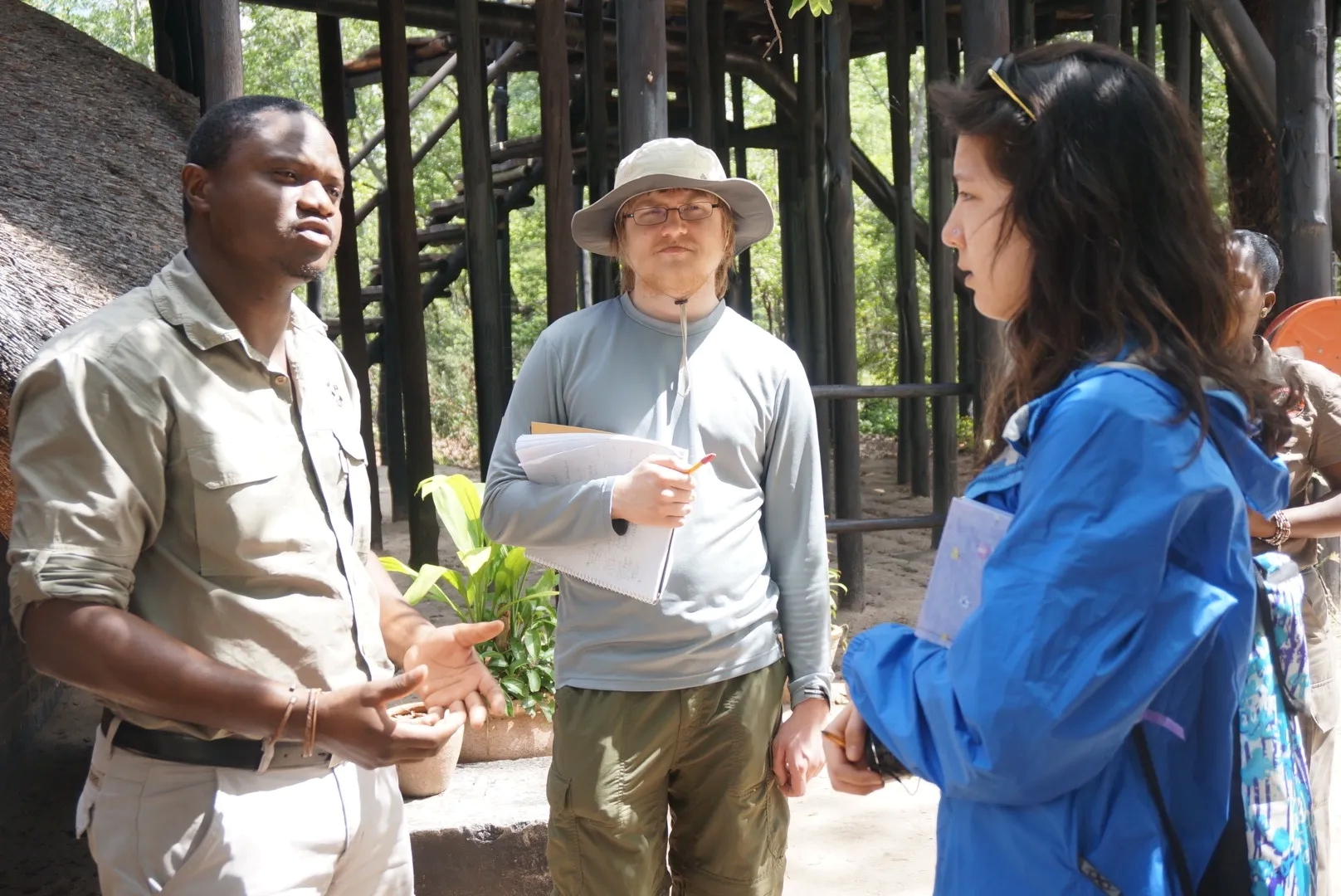
We met with Fannuel, who ran the rehabilitation section, and clearly loved the dogs and his job. He had a wonderful rapport with the two resident dogs, John and Roman, who came out to greet us but quickly disappeared with the steaks that were used as an inducement to come out. There was and onsite lab used to treat and monitor the dogs. We visited the lab and learned how biological samples are collected and analyzed for a variety of research and management purposes.
One of the best things about the Painted Dog Conservation Project was their progams to aimed at providing environmental and conservation educational opportunities for Zimbabwean children of all backgrounds. Children from villages adjacent to the park learn that painted dogs are of no threat to their communities or livestock, while children from further away learn about their country’s natural heritage. The guiding philosophy at PDC is that a commitment to education and community development can create a positive attitude toward this group of animals and change the behaviors that threaten their survival.