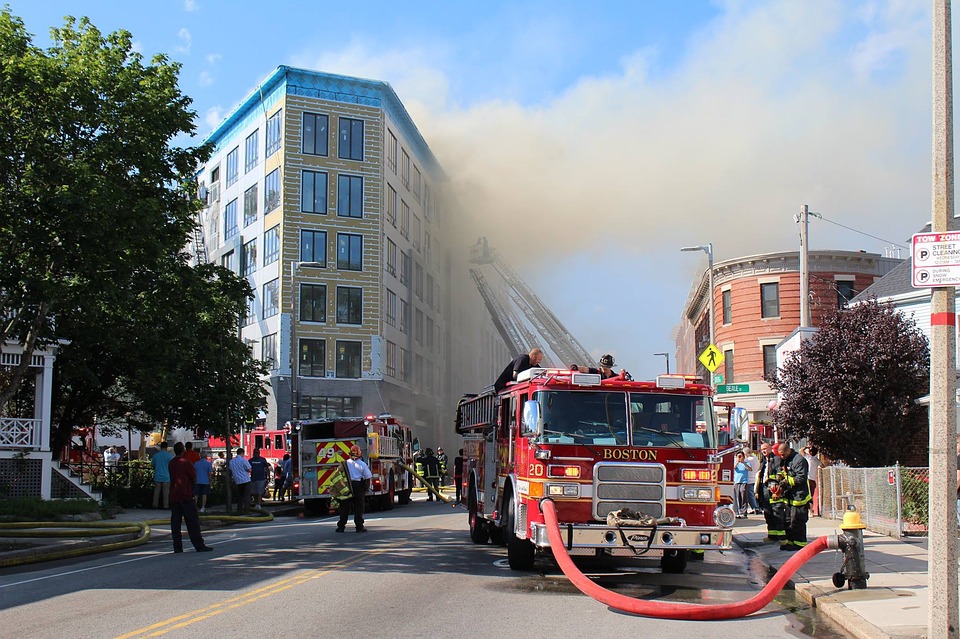
September is Emergency Preparedness Month! With the new school year just starting,
be prepared for any emergency and watch this video from EHS and Harper Police, “Emergency Procedures at Harper College.” Topics will include: Fire Drills and Evacuation Duties, Severe Weather Procedures,
Environmental Health, Safety, and Risk Management Overview, Injury Reporting, Bomb
Threats, and Active Shooter Response. Watch this video with your students to help
review safety procedures.
Interested in helping out in the community?
CERT, is the Community Emergency Response Team. If you are interested in taking a more active role in emergency preparedness sign
up for CERT classes and learn about, "setting up treatment areas, HAZMAT and fire
safety, light search and rescue, disaster psychology, medical techniques, and more."
Palatine Emergency Management Agency, or PEMA, "is a volunteer driven organization dedicated to assisting Village departments
during emergency situations, and planned community events. PEMA members also strive
to educate the public, volunteer organizations and private businesses in the community
to work together toward a common goal of preparedness."
Or starting your career in Public Services?
Harper College offers a number of public service career and transfer programs in fields
like;
A FEMA article states that, "packing an emergency preparedness kit helps ensure the
safety and comfort of you and your family members at a time when basic public services
may be disrupted." Check out the websites below to find a detailed list of items to
include in your Emergency Go Bag.
1 gallon of water per person per day (for at least 3 days for drinking and sanitation)
3-day supply of nonperishable food with can opener
Battery powered or hand crank radio and a NOAA weather radio with tone alert
Flashlight with spare batteries
First aid kit and dust masks
Whistle to signal for help
Plastic sheeting and duct tape for shelter in place
Sleeping bag or warm blanket for each person
Wrench or pliers to turn off utilities
Paper and pencil
Moist towelettes, paper towel, and toilet paper
Pet supplies for each pet, including food, water, and medications (if needed)
Carry in a plastic storage bin or duffel bag
Prescription medications and glasses (if needed)
Infant formula and diapers (if needed)
Important documents (copy of insurance policy, ID and bank account records in waterproof
container)
Cash or travelers checks
Complete change of clothing, long sleeve shirt, long pants and sturdy shoes
Fire extinguisher and matches in waterproof container
Mess kits, paper plates cups utensils and paper towels
Activities for children, like books or toys (if needed)
For Additional Resources
Red Cross: “Red Cross volunteers and staff work to deliver vital services — from providing relief
and — support to those in crisis, to helping you be prepared to respond in emergencies.”
Department of Homeland Security: Ready.gov “is a national public service campaign designed to educate and empower
the American People to prepare for, respond to and mitigate emergencies, including
national and man-made disasters.”
NOAA — National Oceanic and Atmospheric Administration: “To understand and predict changes in climate, weather, oceans and coasts, to share
that knowledge and information with others, and to conserve and manage coastal and
marine ecosystems and resources.”
National Weather Service: “Provide weather, water, and climate data, forecasts and warnings for the protection
of life and property and enhancement of the national economy.”
OSHA Education Center: "OSHA Education Center empowers you to stay safe and compliant in the workplace — whether
you're an employee, a small business owner or a manager for a team of thousands."