
Harper College will be closed on Monday, September 7, in observance of Labor Day.

 For years, Trygve Thoreson brought Harper College students to downtown Chicago to
experience the city’s architecture firsthand. One stop on a tour he designed for his
Humanities 102 course ultimately inspired his latest book.
For years, Trygve Thoreson brought Harper College students to downtown Chicago to
experience the city’s architecture firsthand. One stop on a tour he designed for his
Humanities 102 course ultimately inspired his latest book.
In teaching about the Sullivan Center – the former Carson Pirie Scott building designed by famed architect Louis Sullivan – Thoreson became intrigued by the ideas behind its organic, cast-iron ornamentation.
“I did some reading and learned that Sullivan had been influenced by the Transcendentalists. Now, that’s my turf – 19th-century literature,” he said. “I thought ‘Really? Ralph Waldo Emerson is the inspiration for building tall buildings in Chicago?’ That piqued my interest.”
Between serving as a volunteer host at the Chicago Architecture Center and spending hours researching in the archives of the Art Institute of Chicago, Thoreson discovered that both Sullivan and Burnham shared connections not only to the Transcendentalists but to Swedenborgianism, a Christian movement based on the writings of 18th-century scientist and theologian Emanuel Swedenborg. The connection helped explain how both architects infused their work with a sense of spirituality, even as their architectural philosophies diverged.
“There might be a book here if I see these connections that most people don’t see,” Thoreson recalled thinking. “The great thing about retirement is you really do have time if you just make the effort.”
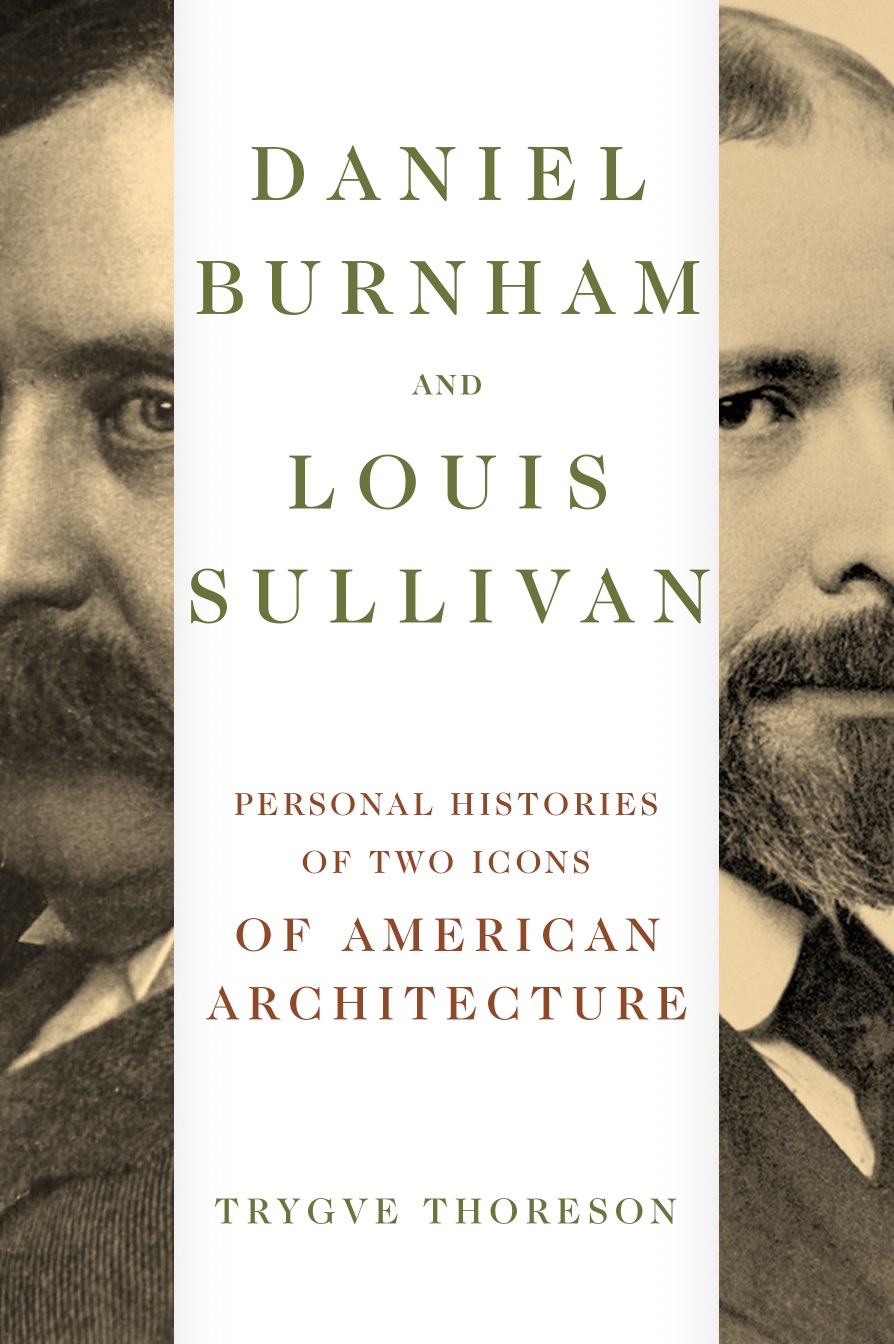
What began as curiosity gradually became a research project. More than a decade later, it culminated in Daniel Burnham and Louis Sullivan: Personal Histories of Two Icons of American Architecture, published by 3 Fields Books, an imprint of the University of Illinois Press. It’s Thoreson’s second book, after Harper College: The First 50 Years, published in 2017.
The Sullivan and Burnham project traces its origins not just to the tour Thoreson led as a Harper professor, but more broadly to his time at Harper, where he taught from 1984 until his retirement after 30 years on the faculty. He said Harper gave him the opportunity to explore a wide range of subjects, including humanities, classical mythology and honors courses.
“The great thing about Harper is that you are expected to teach a variety of things,” he said. “You have your fingers in these different pies.”
The book offers a fresh perspective on two figures historians often cast as opposites: Burnham the pragmatic organizer behind the World’s Columbian Exposition and the Plan of Chicago; Sullivan the artistic visionary whose ideas helped shape the modern skyscraper. Sullivan famously castigated Burnham because of the exposition’s classical aesthetic. Burnham offered Sullivan qualified praise for his “decorations.”
Thoreson found the reality to be more nuanced.
“Part of that is Sullivan’s fault. The most famous passages [in his memoir] are the ones where he’s writing about how Burnham wrecked architecture for 50 years,” he said. “Even as he was trashing Burnham, he was also praising him. He shares that he thought big ‘in the same way I do.’ There’s a lot of complimentary material in there. And it was Burnham who came up with the idea of placing the Golden Door in the eye-catching central position of Sullivan’s Transportation Building, thus highlighting one of the most memorable architectural features of the fair and enhancing Sullivan’s reputation."
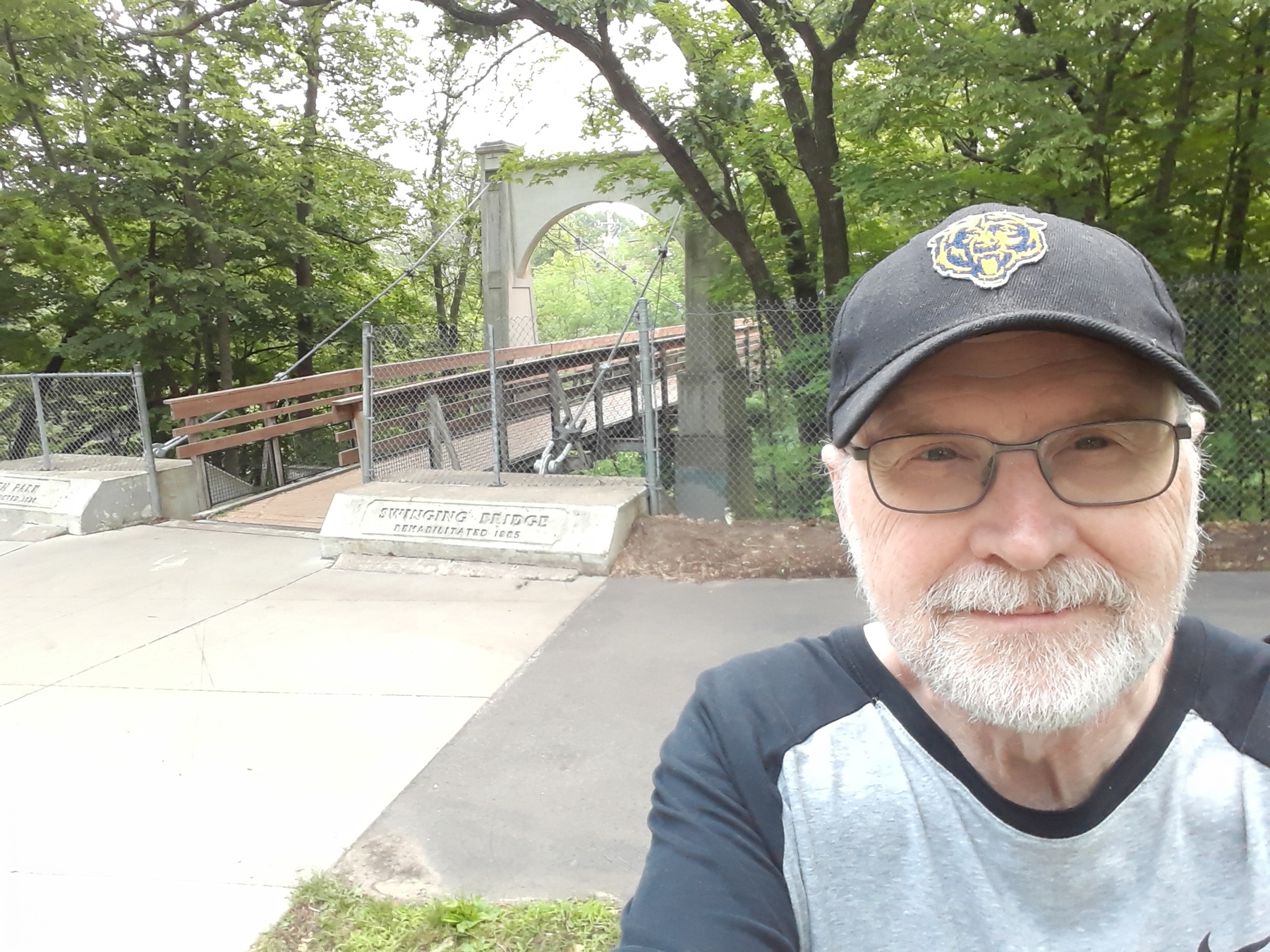 As a humanities scholar rather than an architect, Thoreson approached the subject
from a different angle than many previous biographers. That perspective allowed him
to focus on the people behind the buildings – their childhoods, cultural influences,
aspirations and personal contradictions.
As a humanities scholar rather than an architect, Thoreson approached the subject
from a different angle than many previous biographers. That perspective allowed him
to focus on the people behind the buildings – their childhoods, cultural influences,
aspirations and personal contradictions.
“If you’re focusing on personal histories, that is inherently a more interesting kind of narrative for people,” Thoreson said. “What were these people like? We know they’re famous, but what were they like?”
Along the way, he uncovered surprises. He learned of evidence suggesting Sullivan may have fathered a child who was later placed for adoption. Thoreson also found comments on race that complicated his understanding of Burnham and contrasted with the architect’s agreeable public image.
Thoreson hopes the book appeals not only to architects and scholars but also to readers interested in Chicago history and the personalities who helped shape the city.
The book reflects not only Thoreson’s fascination with Chicago history, but also the intellectual curiosity that Harper encouraged throughout his career. In his acknowledgments, he credits former colleagues who offered encouragement and assistance along the way.
“When you’re there for that long and with like-minded folks who are interested in the same things you are interested in, you get support,” he said. “Harper was a really good fit for me.”