
Harper College will be closed on Monday, September 7, in observance of Labor Day.

 Harper College’s 2026 Disability Symposium, Beyond Awareness: Disability Justice in Action, will explore how disability awareness can be transformed into meaningful action
in classrooms and communities.
Harper College’s 2026 Disability Symposium, Beyond Awareness: Disability Justice in Action, will explore how disability awareness can be transformed into meaningful action
in classrooms and communities.
The free event will take place from 8:15 a.m. to 2 p.m. Friday, April 24, at the Wojcik Conference Center on Harper’s campus, 1200 W. Algonquin Road, Palatine. Breakfast and lunch will be provided.
The symposium will feature six workshops facilitated by community members, organizations and student clubs on topics including neurodiversity strategies in the classroom, rest as a form of resistance, and zine drawing and storytelling, while also exploring how disability intersects with race, gender and other identities.
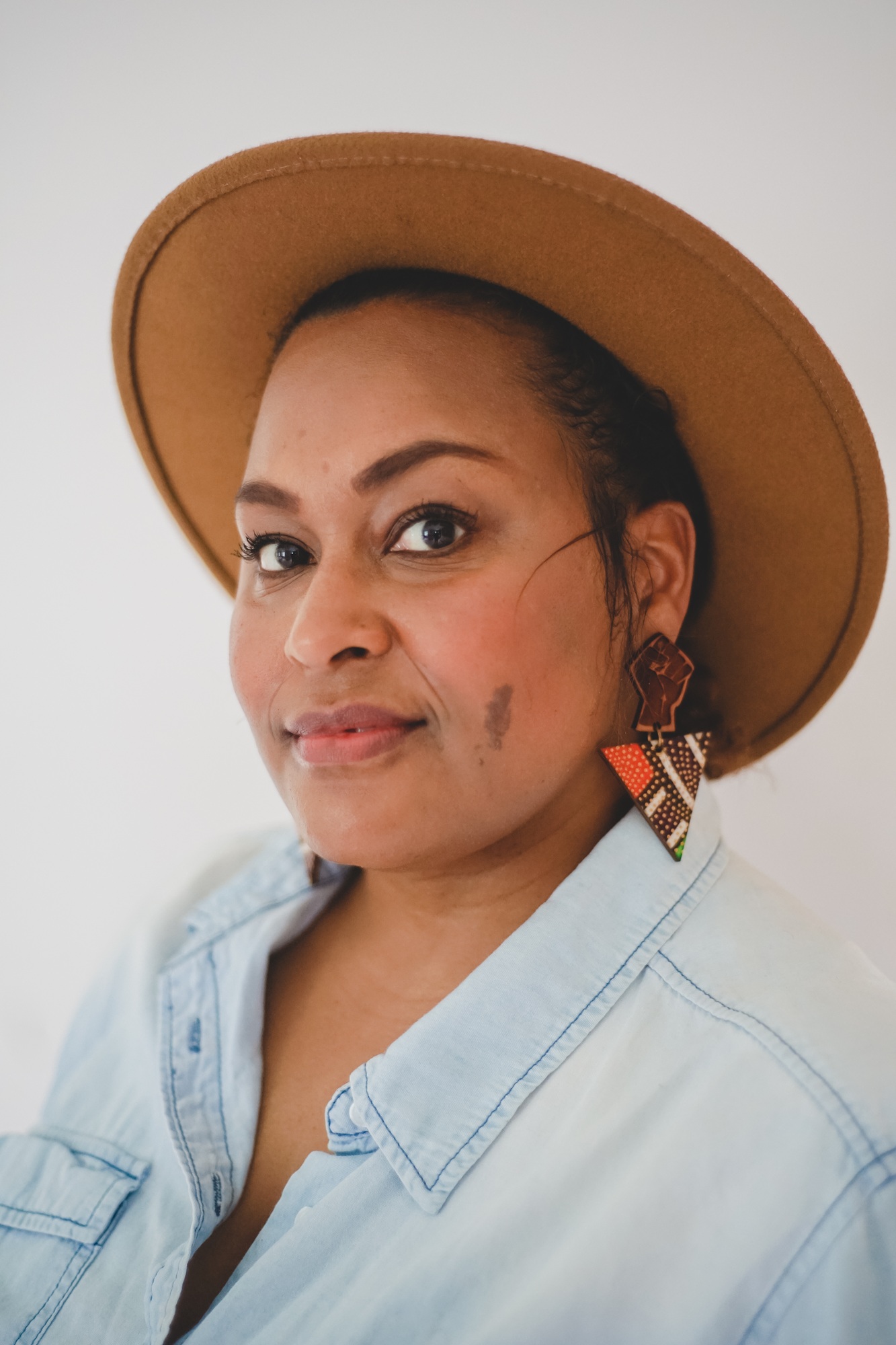
The program will also include a student-led panel discussion and session on students with disabilities presented by Harper’s Neurodiversity Alliance and Access and Disability Services (ADS) Success Club, as well as a keynote address by the award-winning Jen White-Johnson (pictured), an Afro-Latina disabled and neurodivergent artist and educator.
For the first time, students and school liaisons from partnering and in-district high schools that are part of Harper’s Campus Awareness Program (CAP), a transition program that informs students about accommodations and programs available through Harper’s Access and Disability Services, will attend the event.
The event is open to students, faculty, staff and the public. Registration is required.
Interim Director of ADS Rebecca Ramirez-Malagon said she hopes attendees leave motivated to embrace disability culture and consider how they can move beyond accommodations toward advocacy and social justice.
“The fact that we have a disability symposium speaks to Harper’s commitment to diversity, and I also think it speaks to our innovation,” she said. “The symposium is important because growth happens within the community, and there are new challenges that the disability community faces, so I think it’s important to keep faculty and staff current and informed. Knowing how to serve that population is critical to our students’ success.”
Keynote speaker White-Johnson’s work explores the intersection of race, disability and motherhood. In 2020, she created the Black Disabled Lives Matter symbol, which was used at racial justice protests internationally. She also created KnoxRoxs, a limited-edition photo zine dedicated to her autistic son and to exploring joy as a form of resistance.
KnoxRoxs has been included in the collections of The Metropolitan Museum of Art, the National Museum of Women in the Arts, and the Smithsonian National Museum of African American History and Culture. A second edition titled KnoxRoxs: Autistic Joy, a Retrospective, was released in 2024.
“I feel like we’re doing [disability] culture a disservice when we feel like we can’t utilize creativity and expression; whether it’s poetry, theater, film, these are all of the things that help to define culture because they’re really beautiful universal languages,” she said. “Moving beyond awareness means that you’re all in and that you’re not satisfied with just being aware that disability and folks who live in marginalized spaces exist. I call it disability wisdom, leaning on the fact that we are a thriving, joyful culture and that we’ve existed in so many different spaces.”